Register
32nd IMF Anniversary & 2nd Cmde Rajan Vir Memorial Lecture
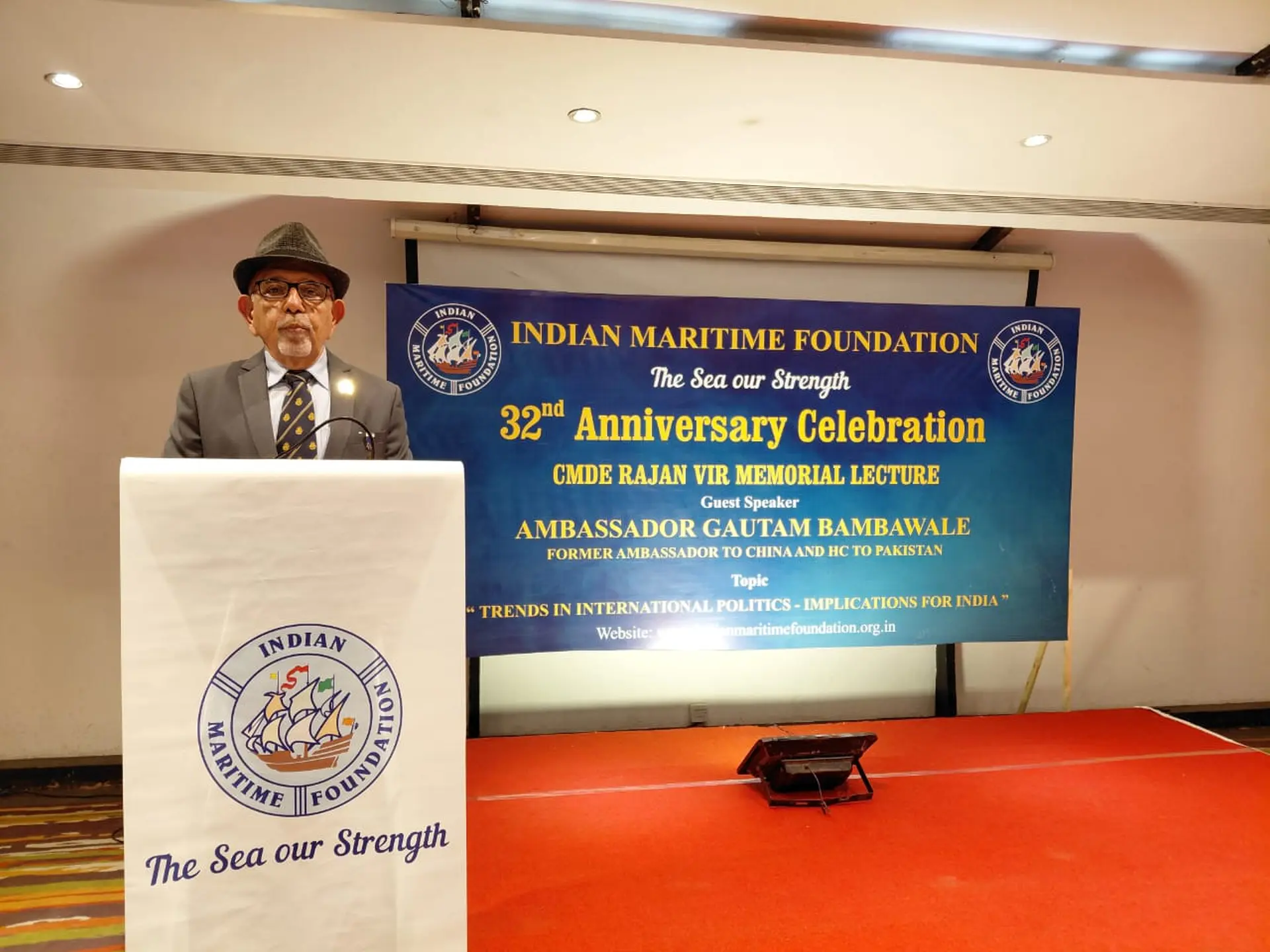
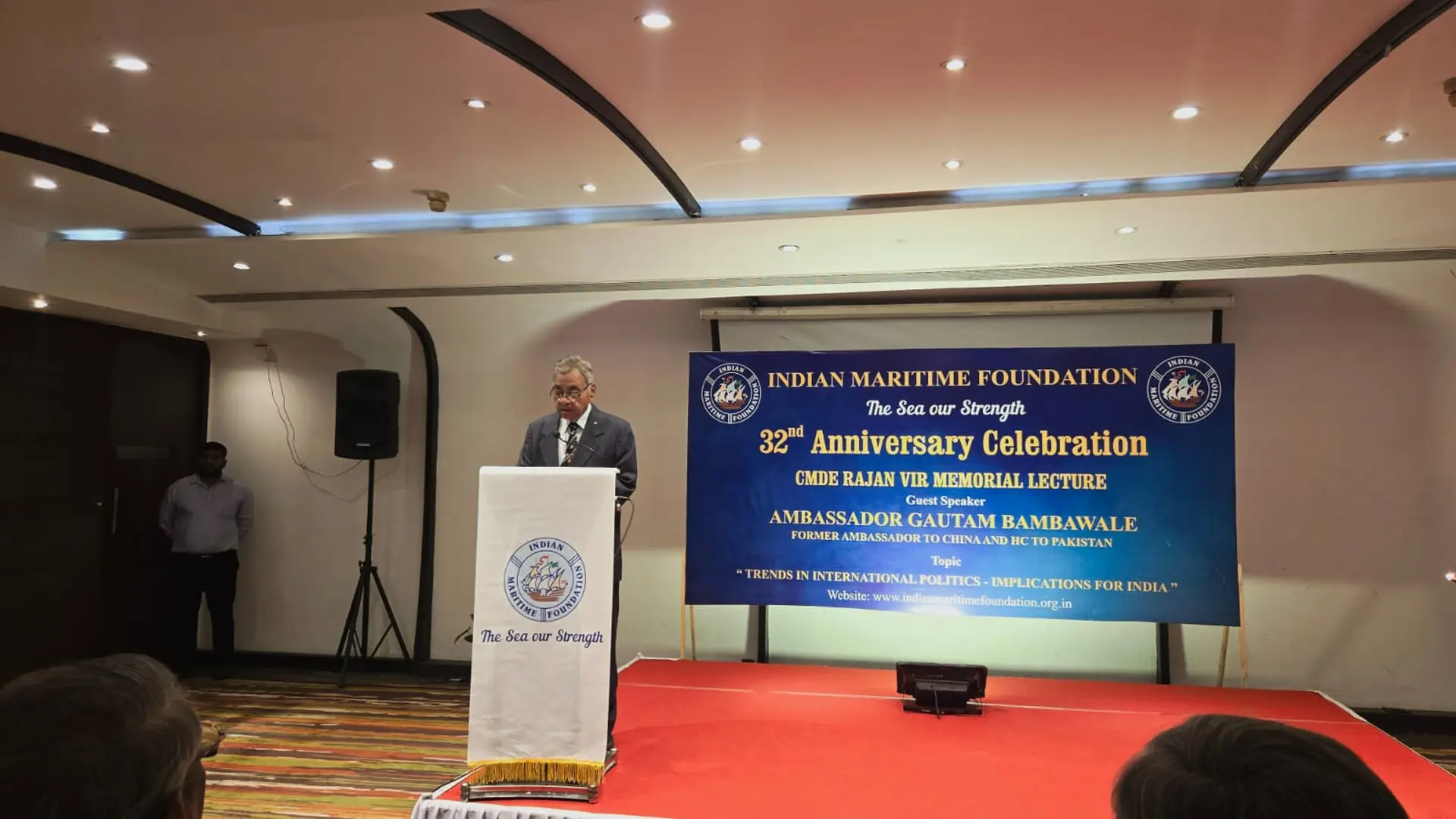
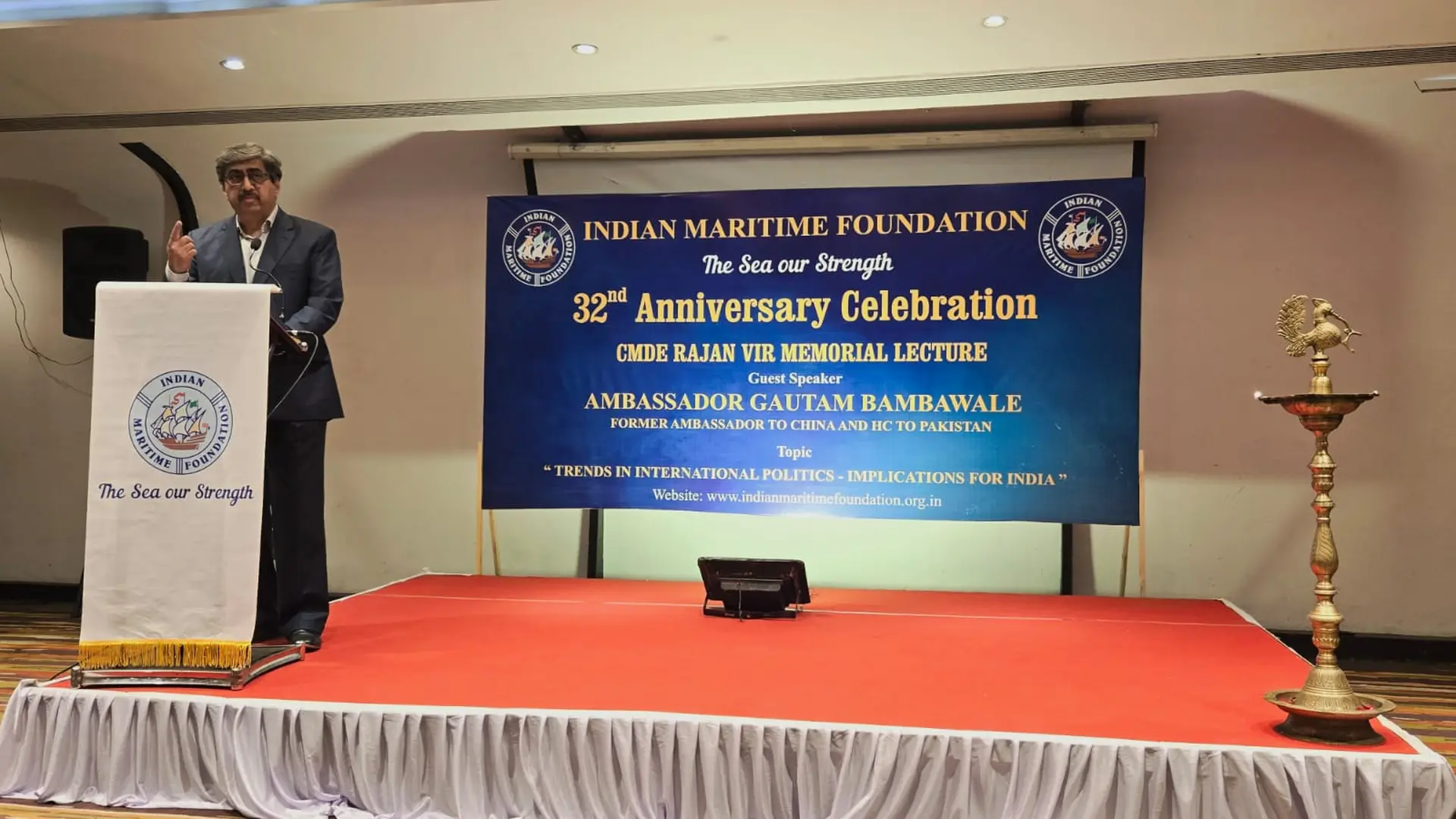
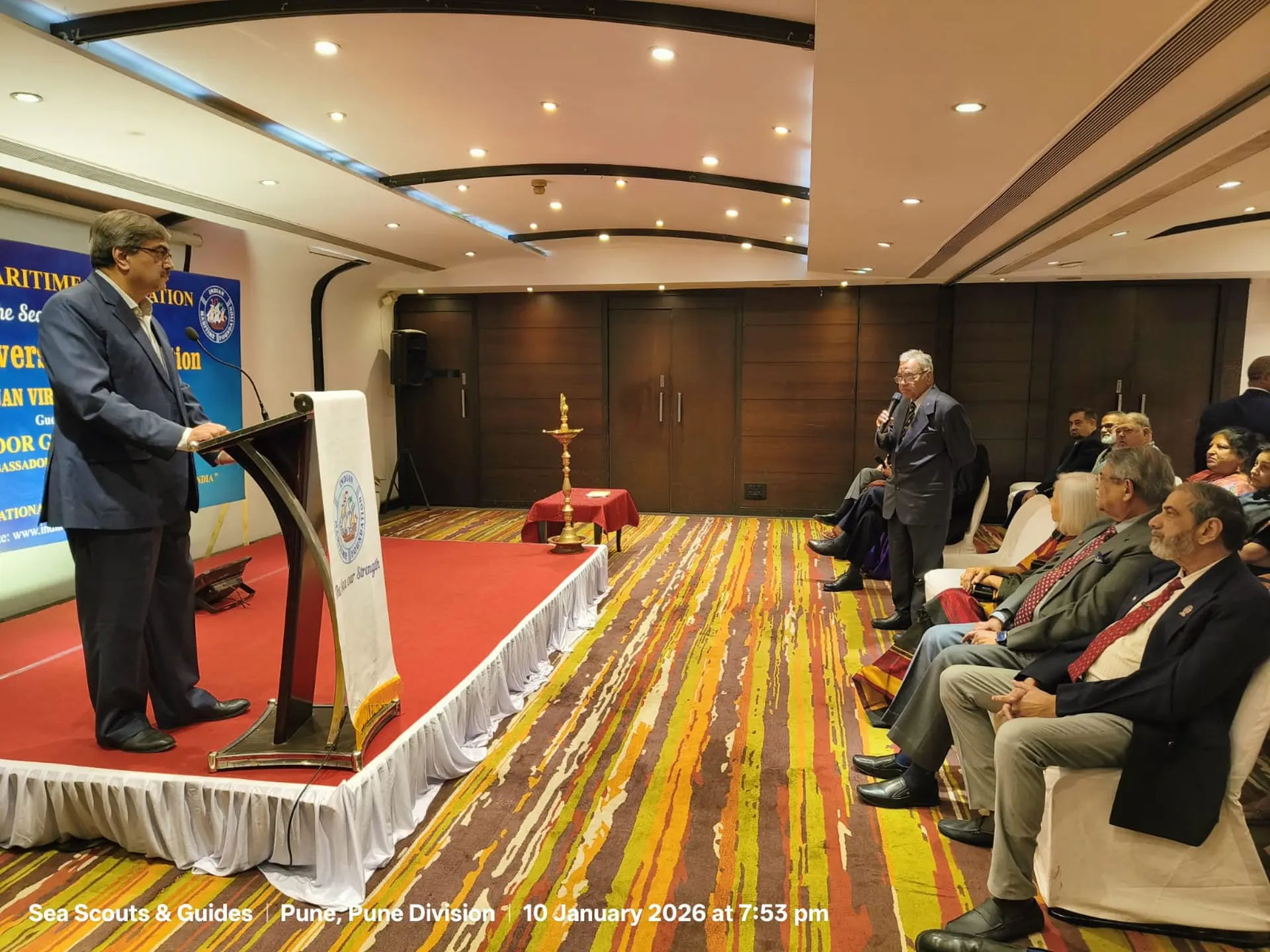
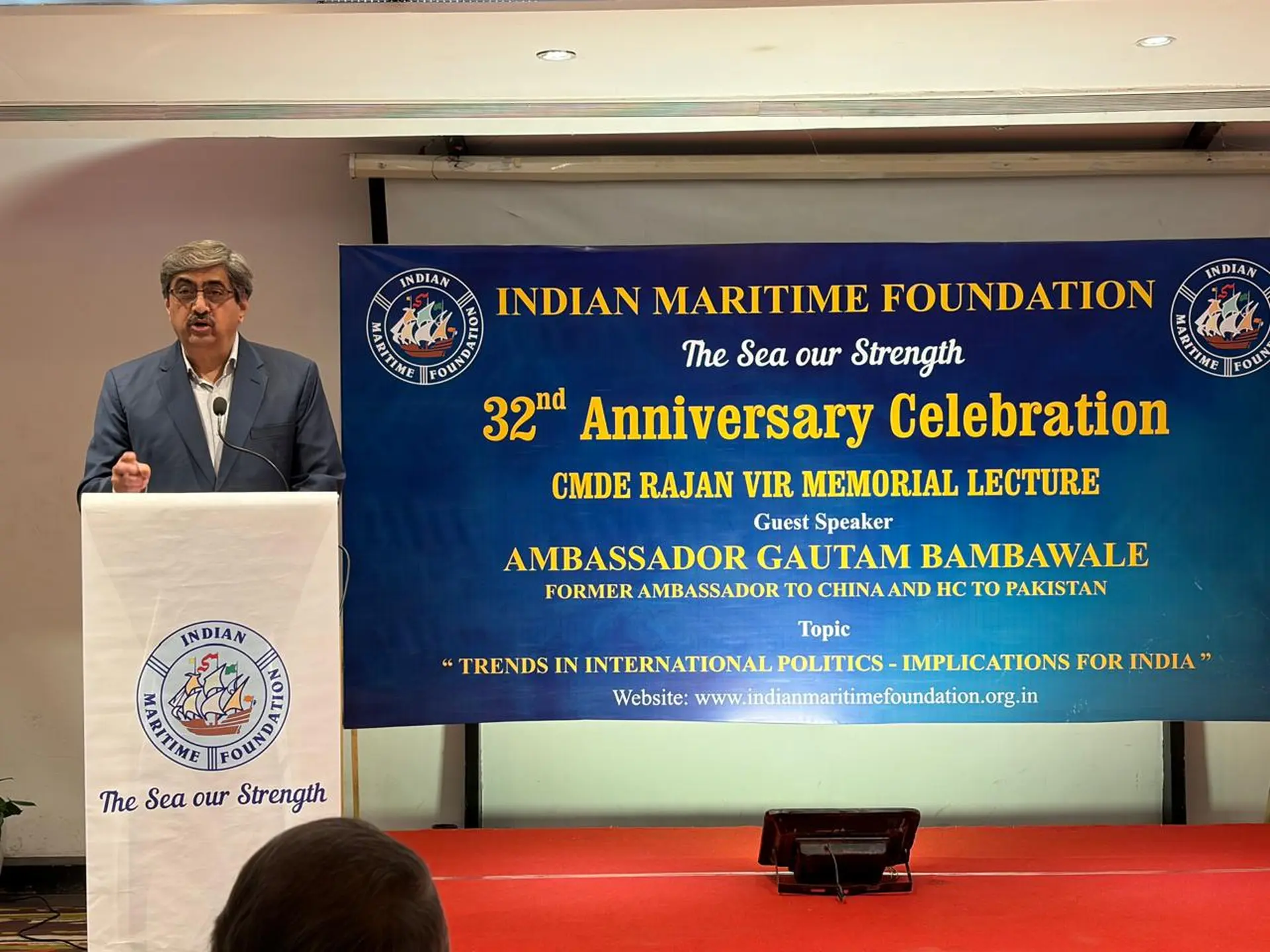
The 32nd Anniversary of the founding of the Indian Maritime Foundation was commemorated on 10th January 2026 at Central Park Hotel, Pune, which also included the 2nd ‘Commodore Rajan Vir Memorial Lecture.’
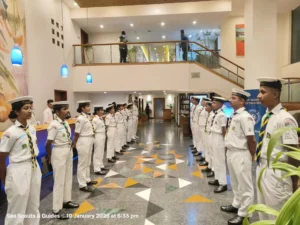
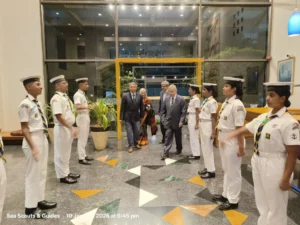
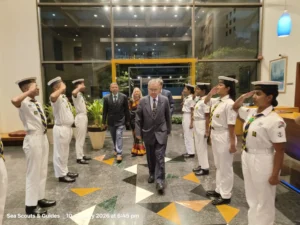
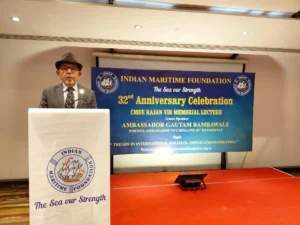
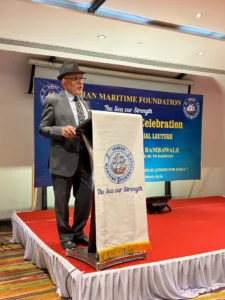
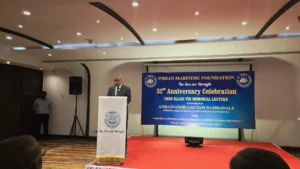
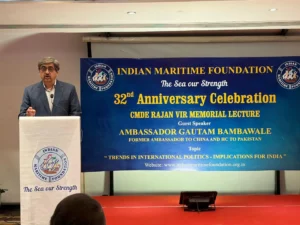
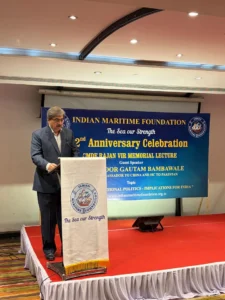
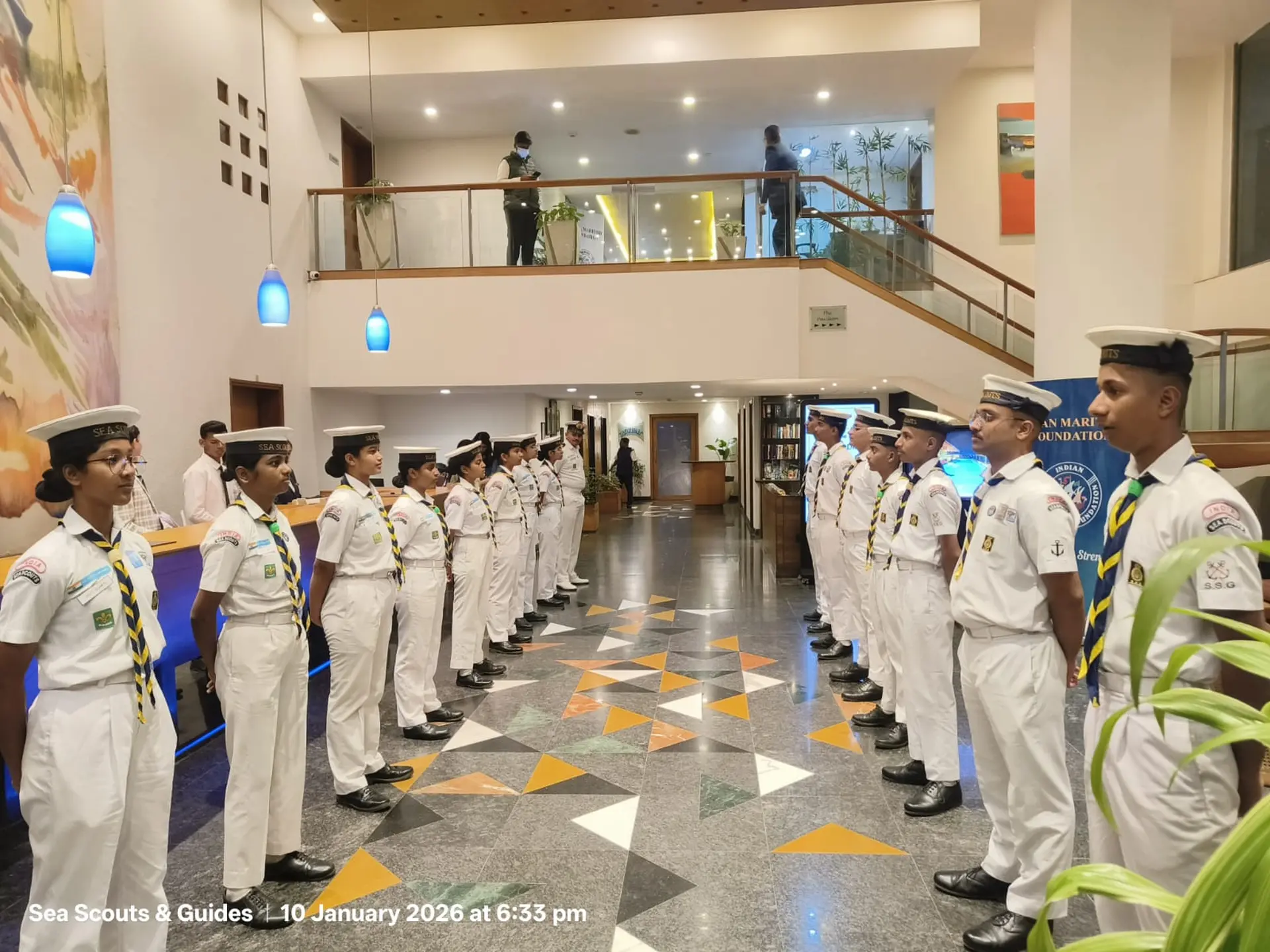
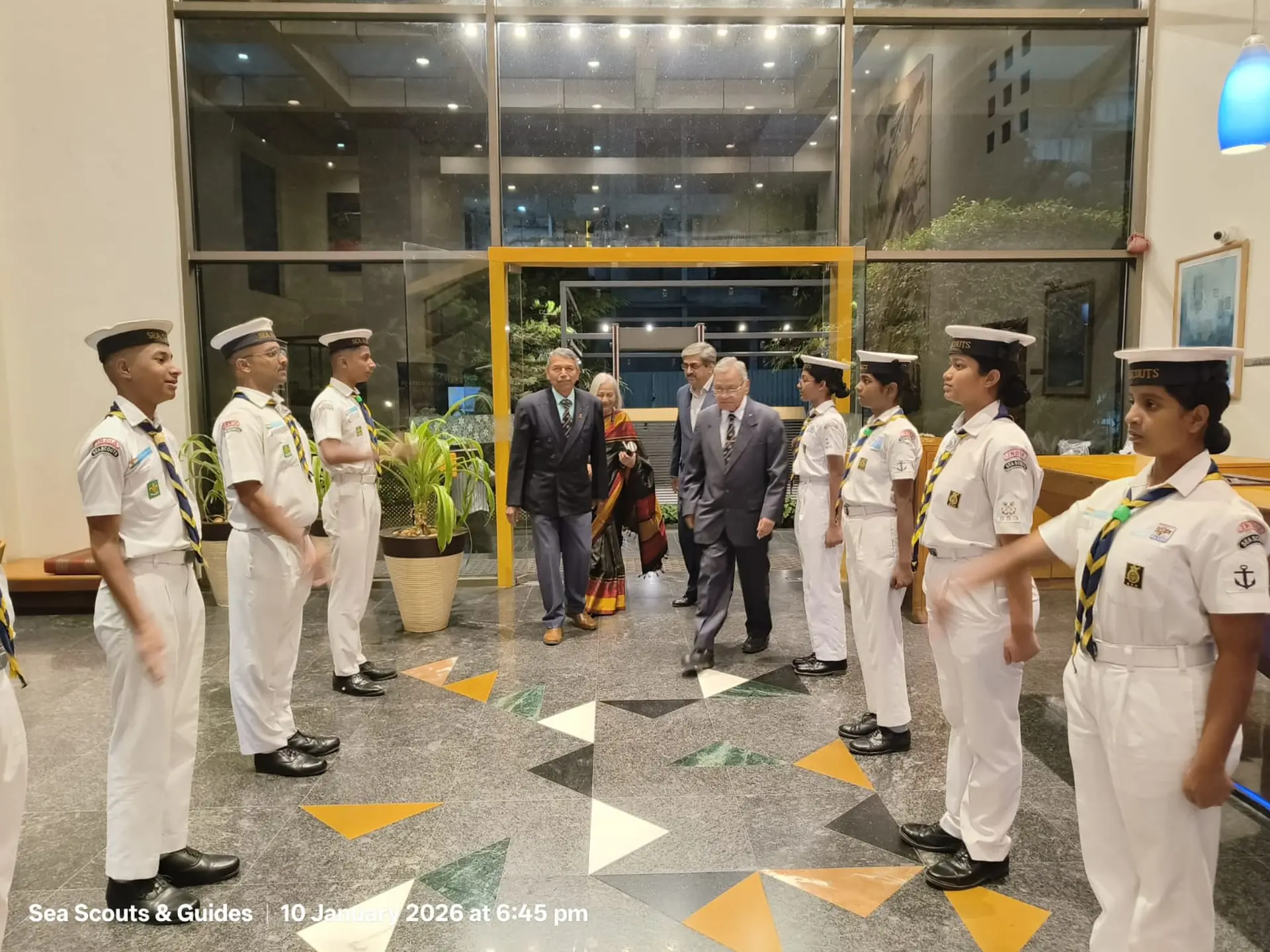
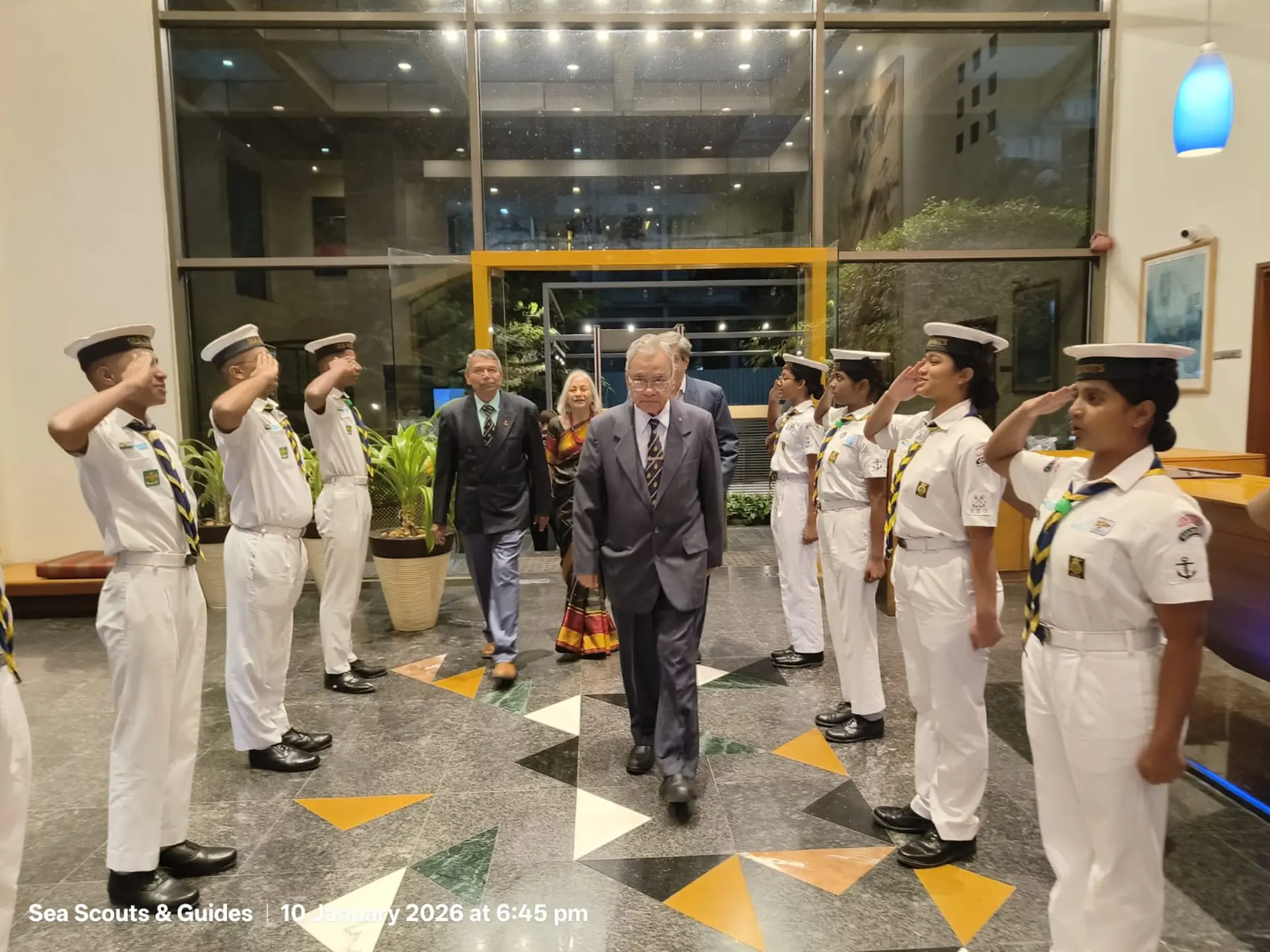
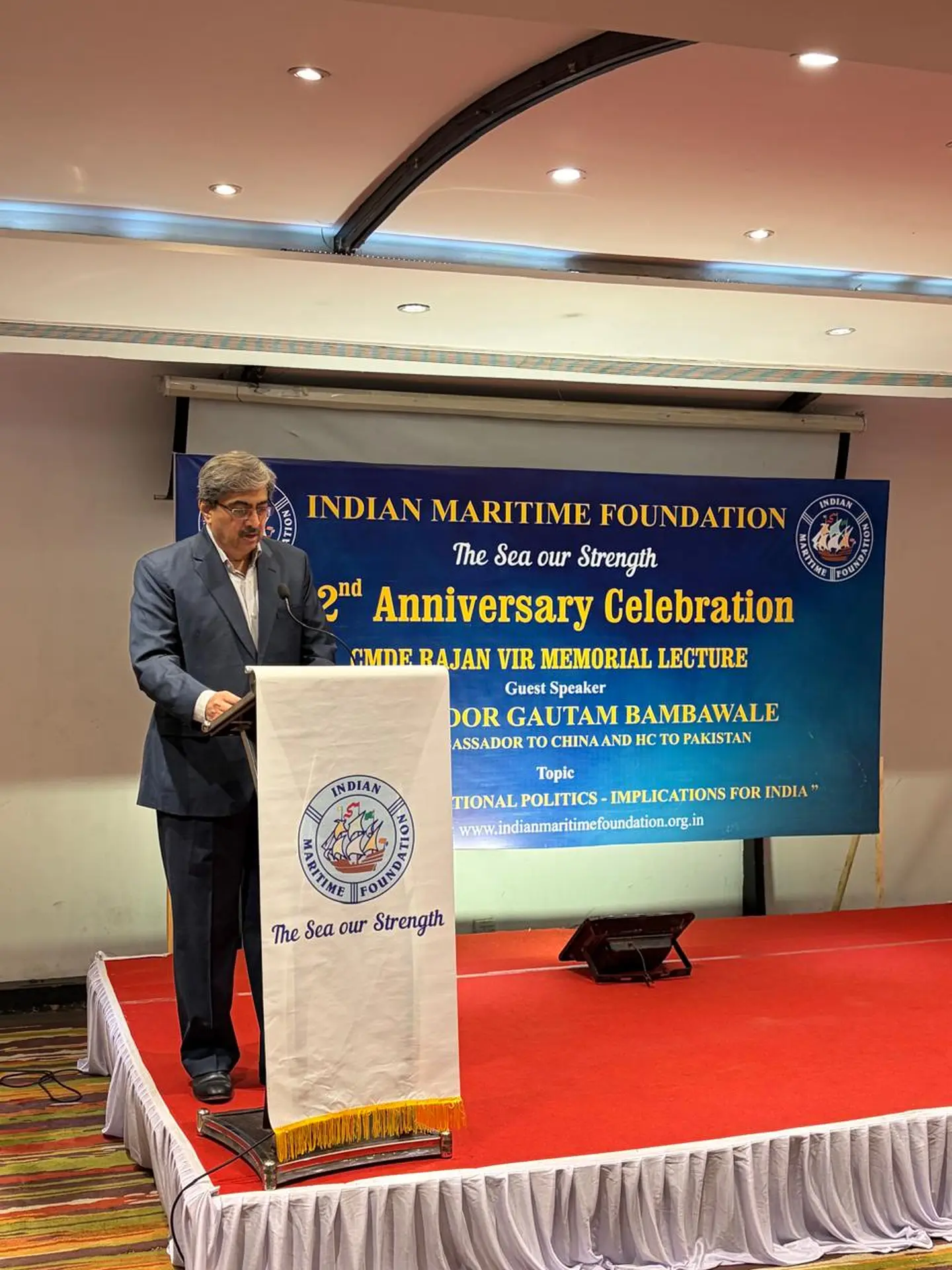
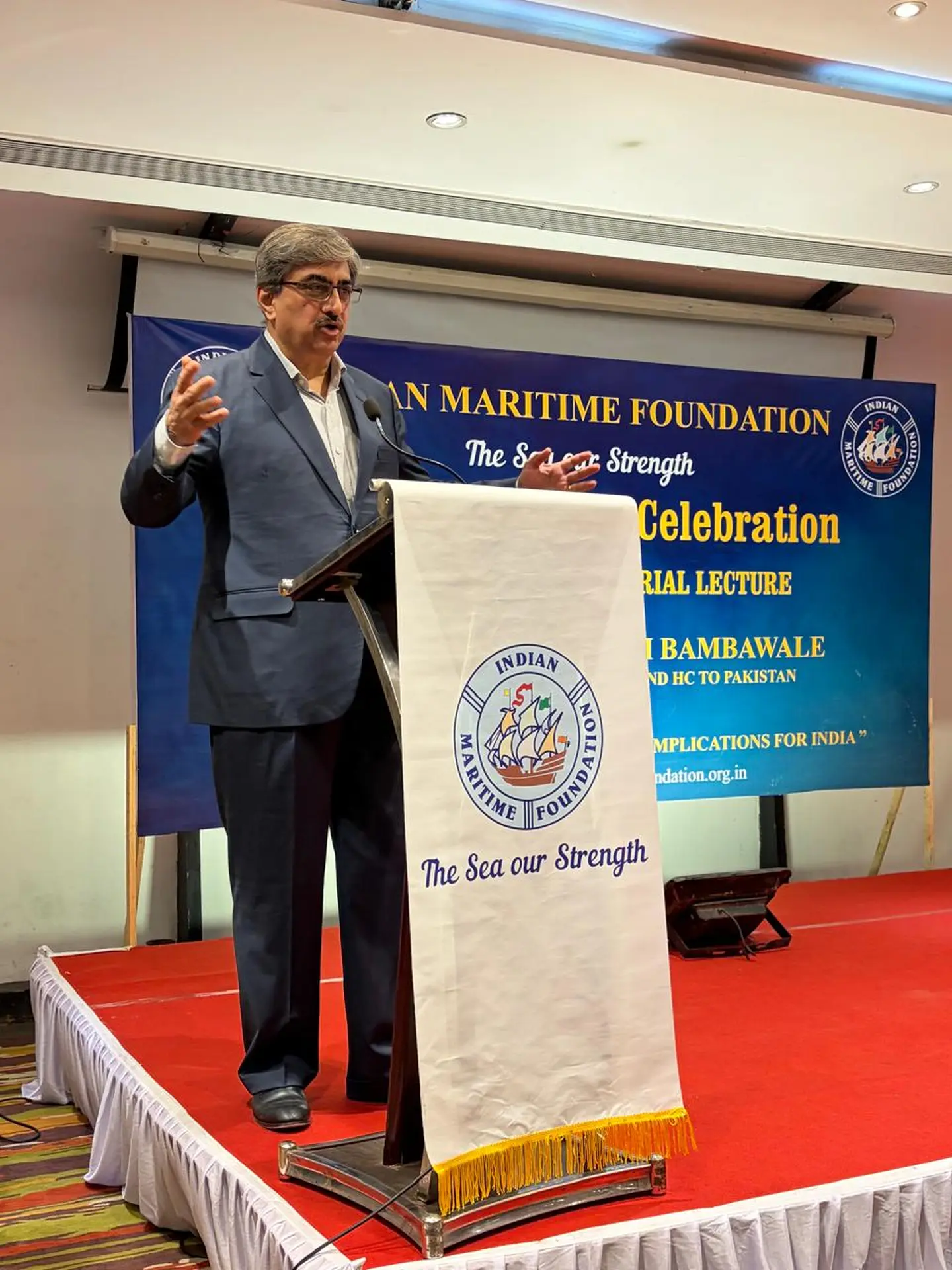
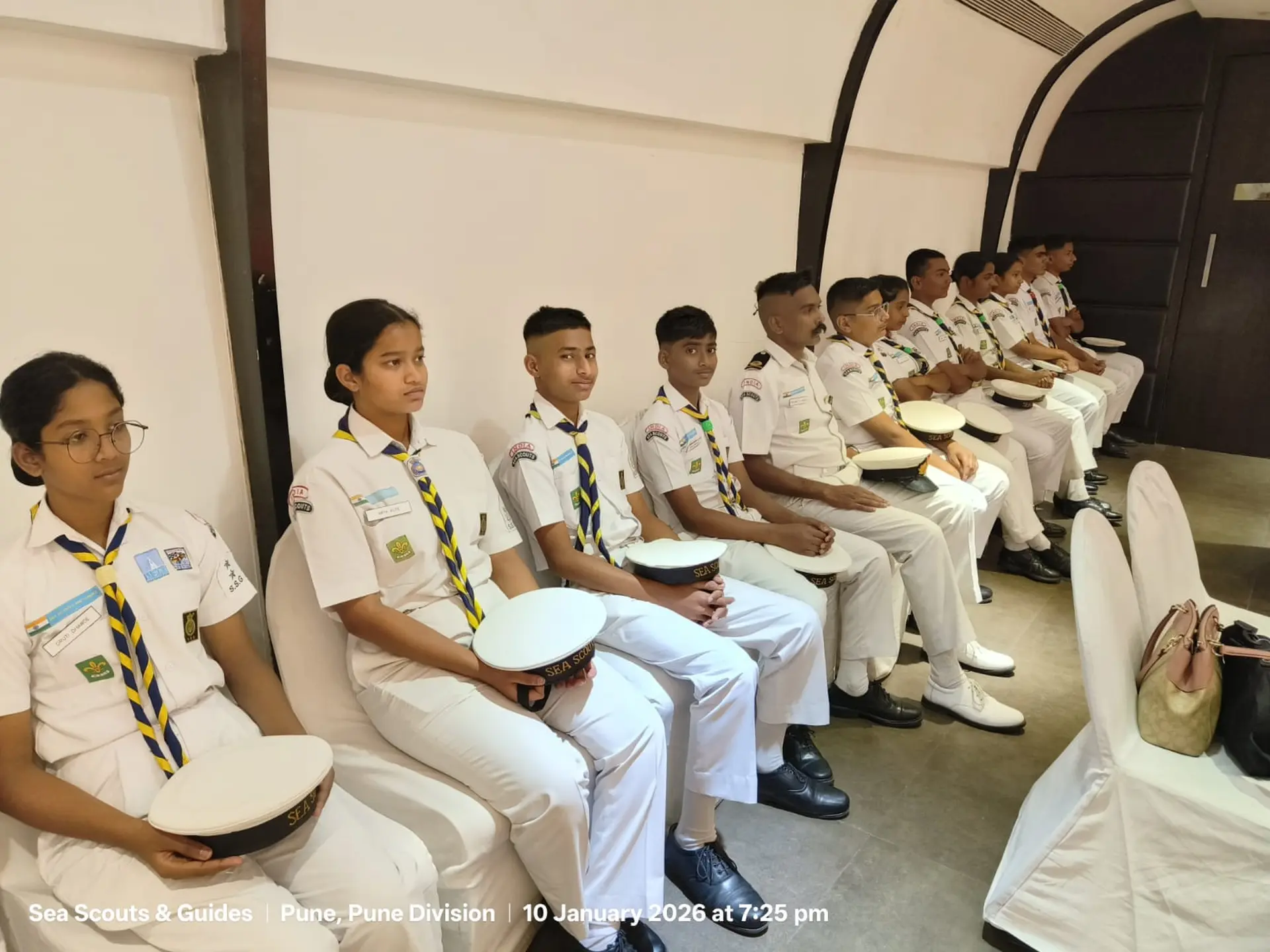
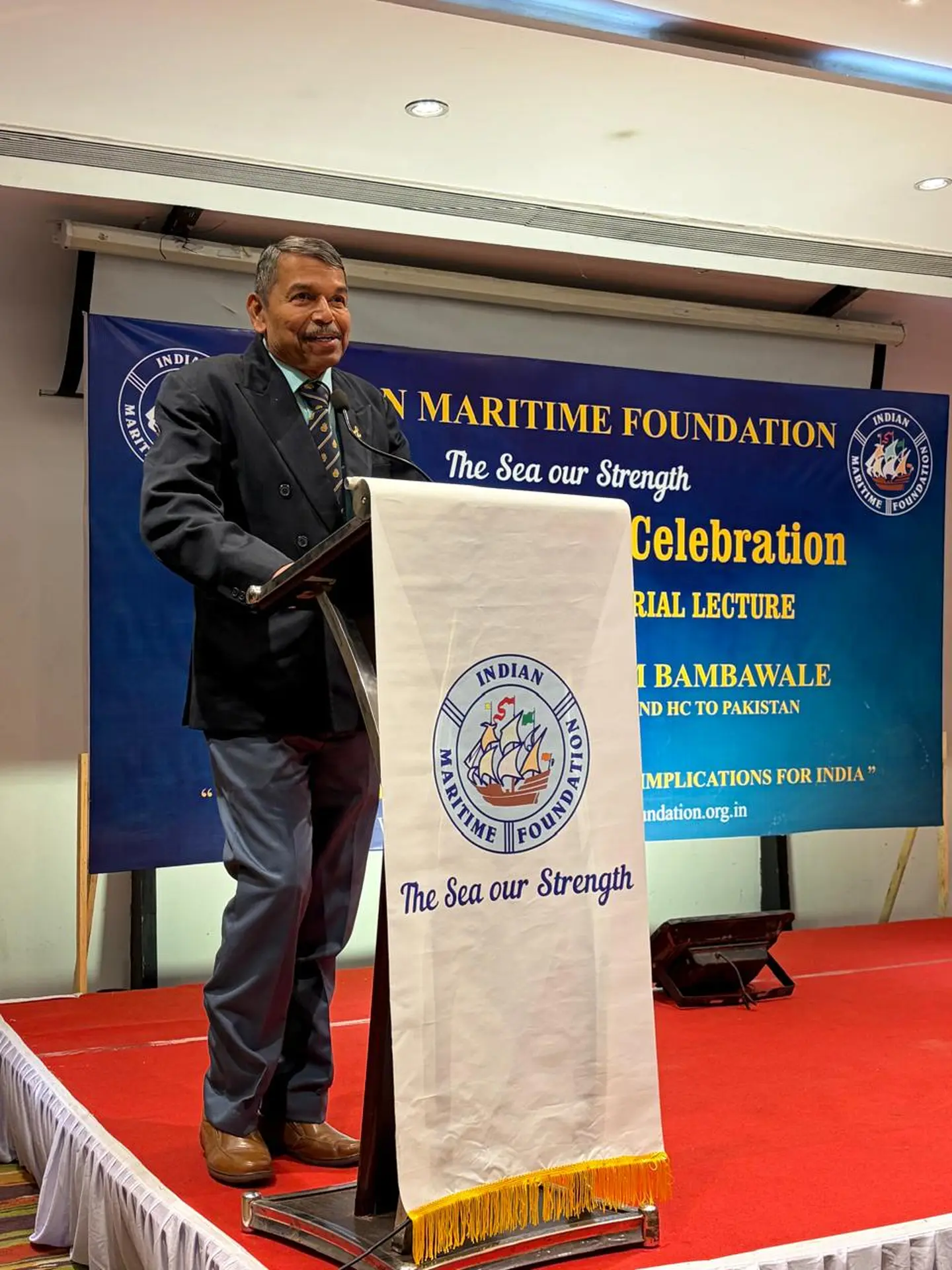
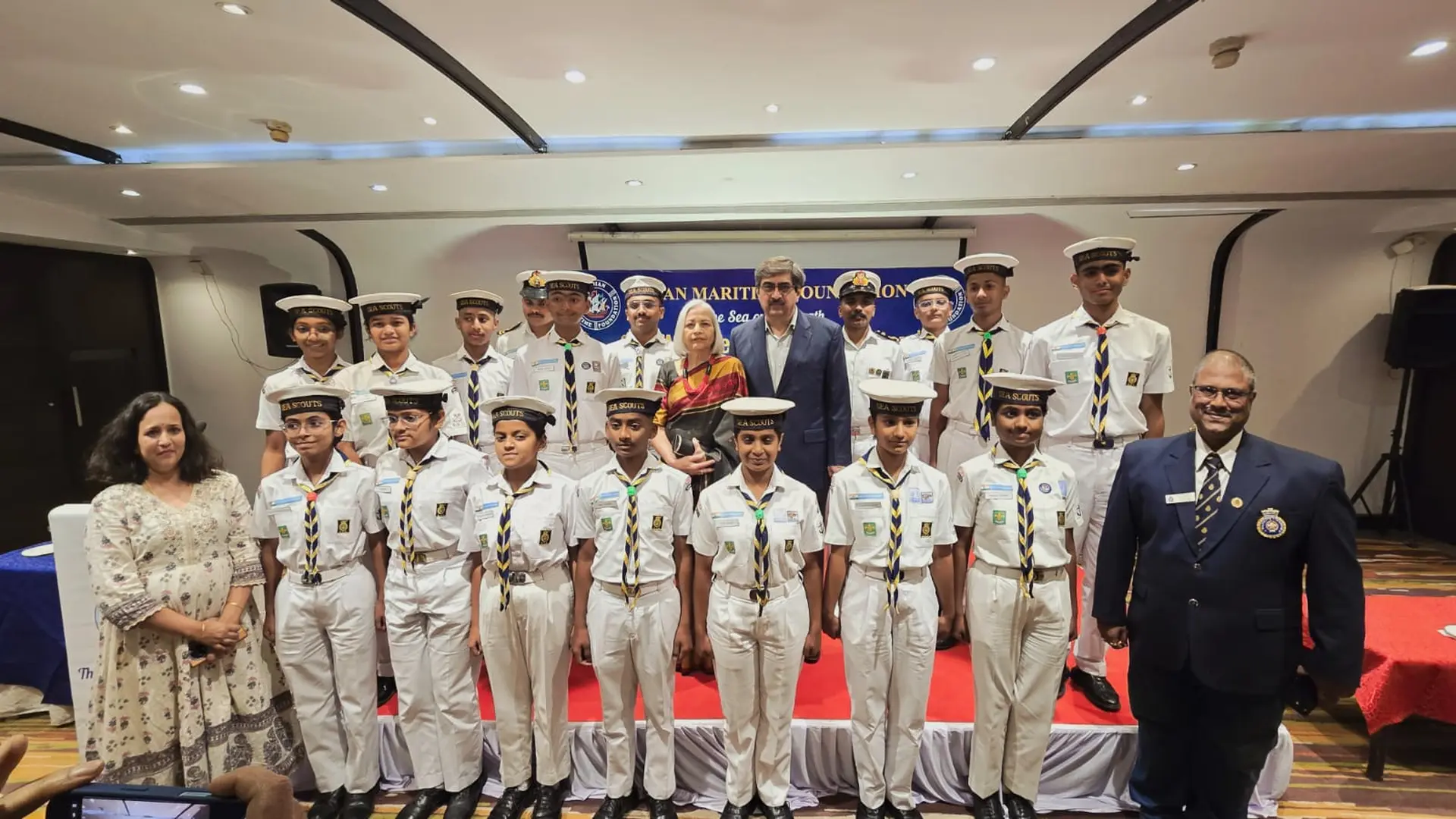
Ambassador Gautam Bambawale, IFS (Retd), a distinguished career diplomat with the distinction of having served as both Ambassador to China as well as High Commissioner to Pakistan was the Chief Guest on the occasion and delivered the Keynote Address on the topic “Trends in International Politics – Implications for India”. Several young Sea Scouts and Guides gave the traditional welcome to the Chief Guest on his arrival.
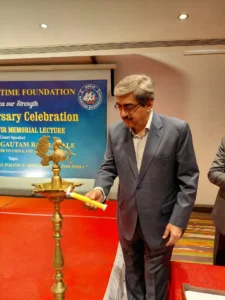
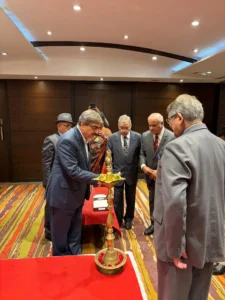
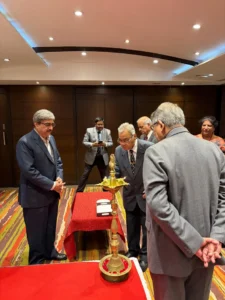
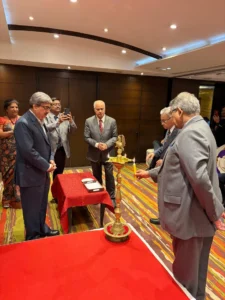
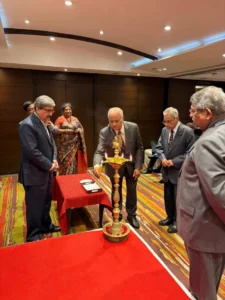
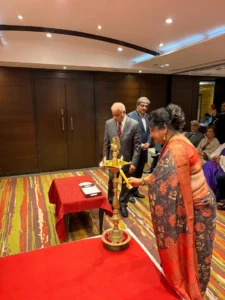
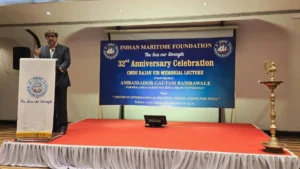
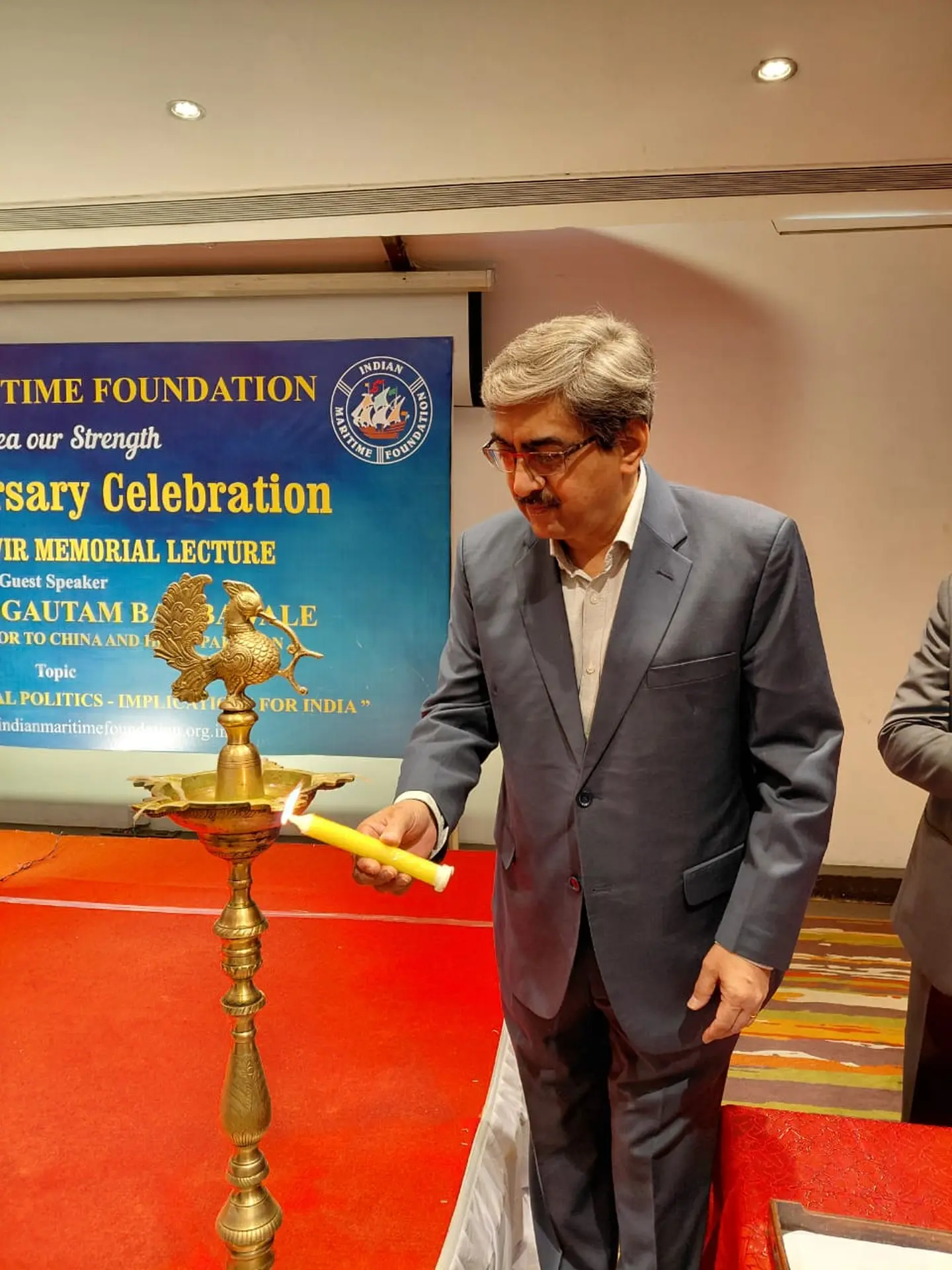
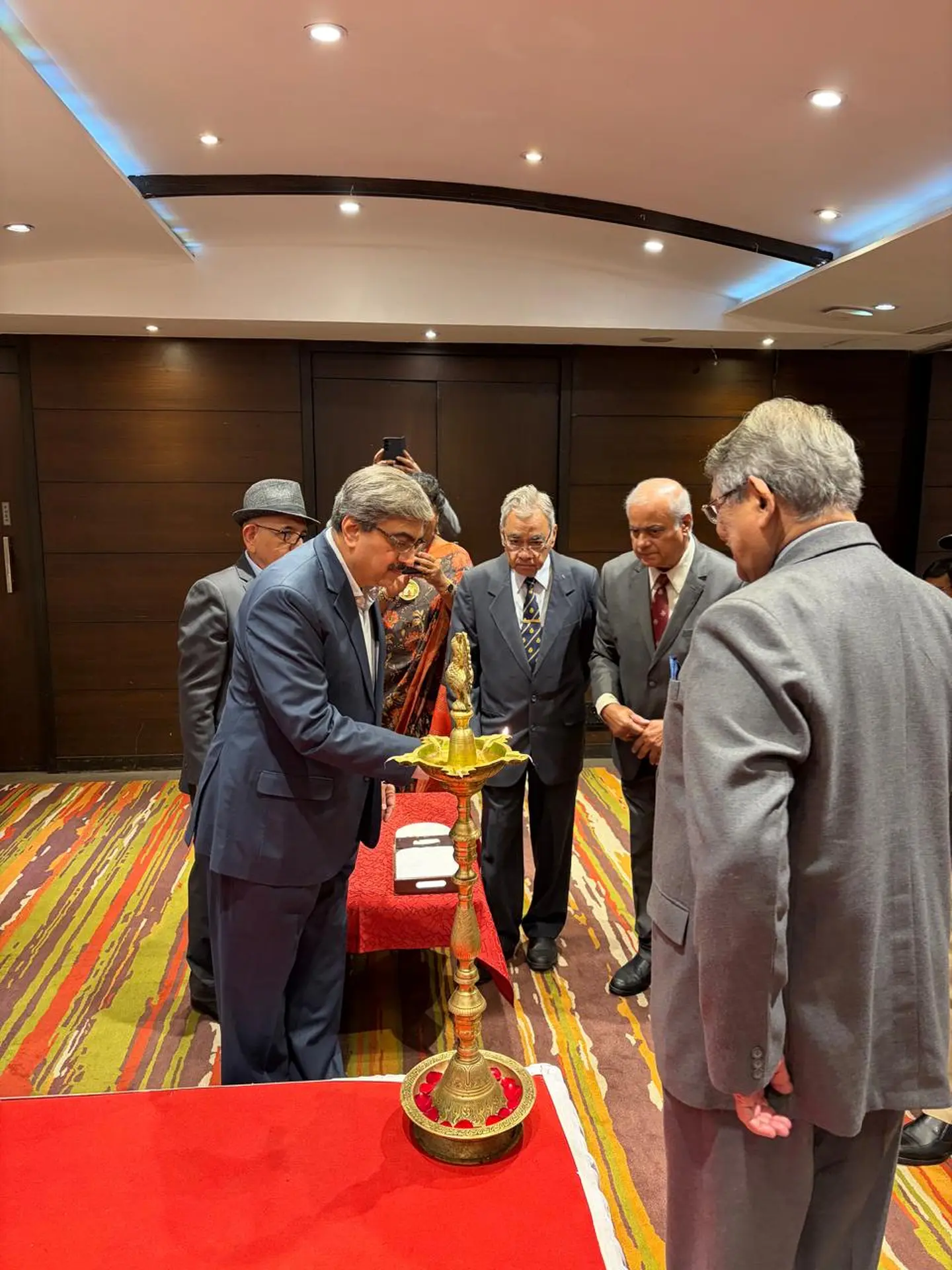
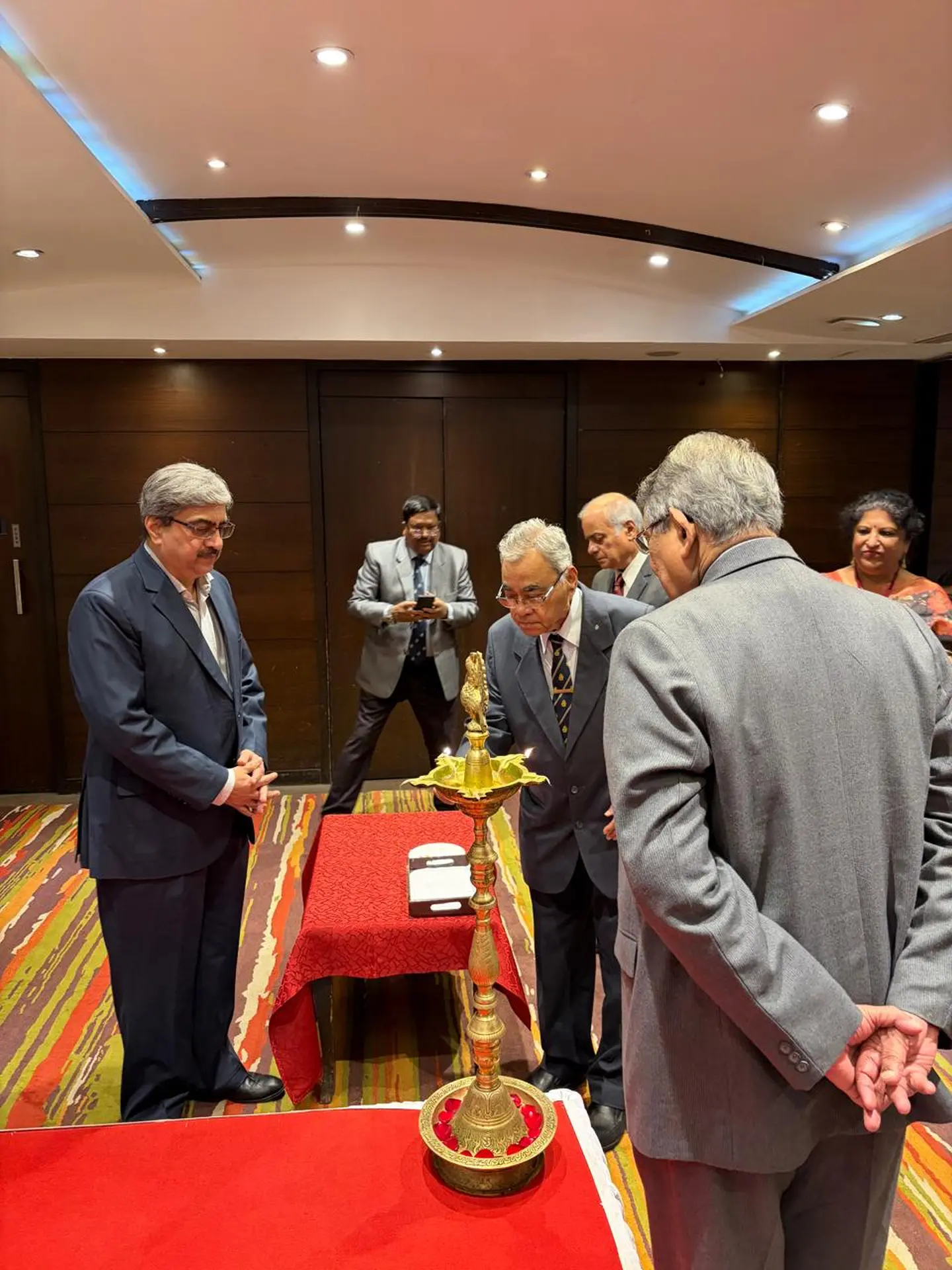
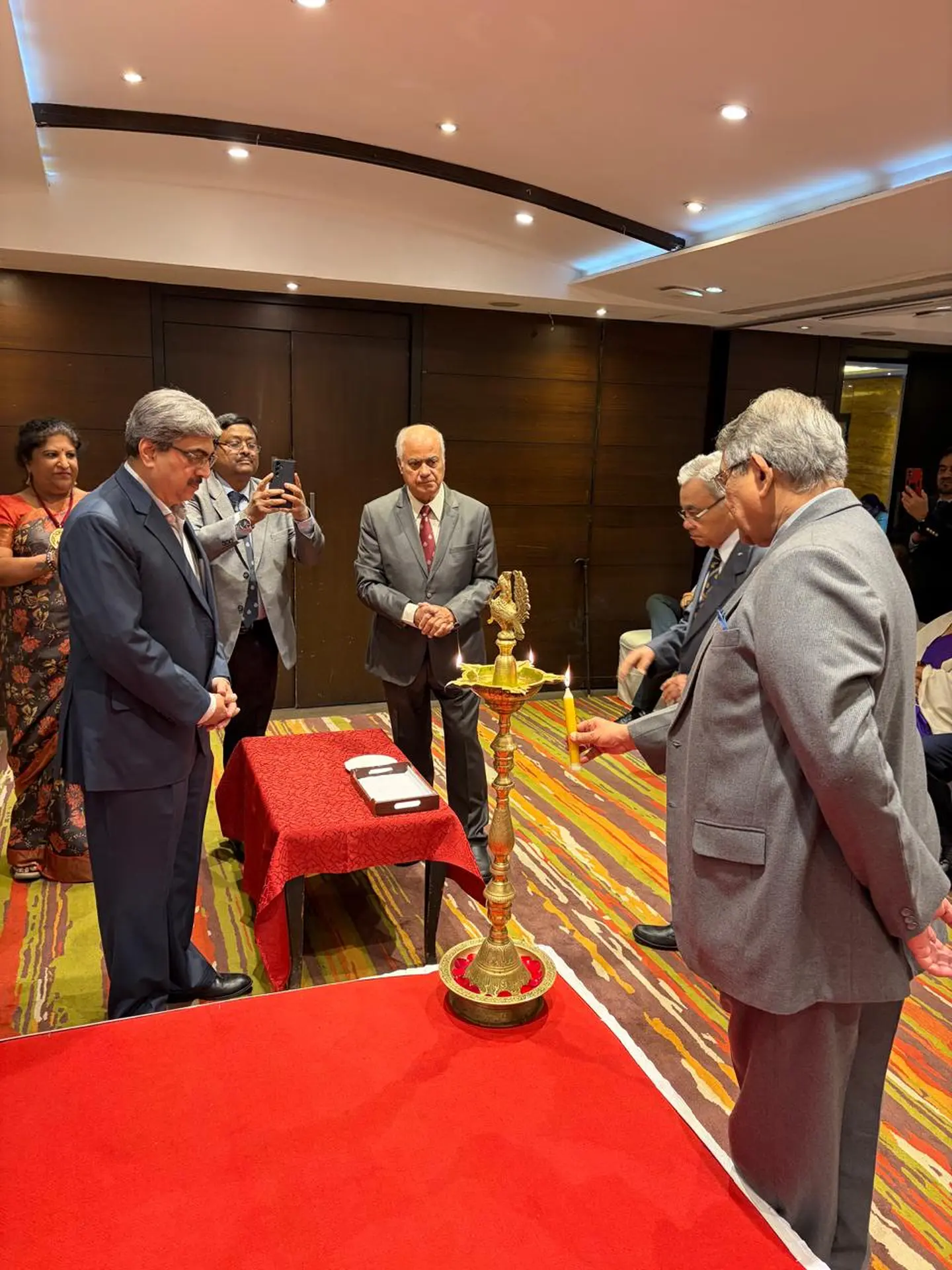
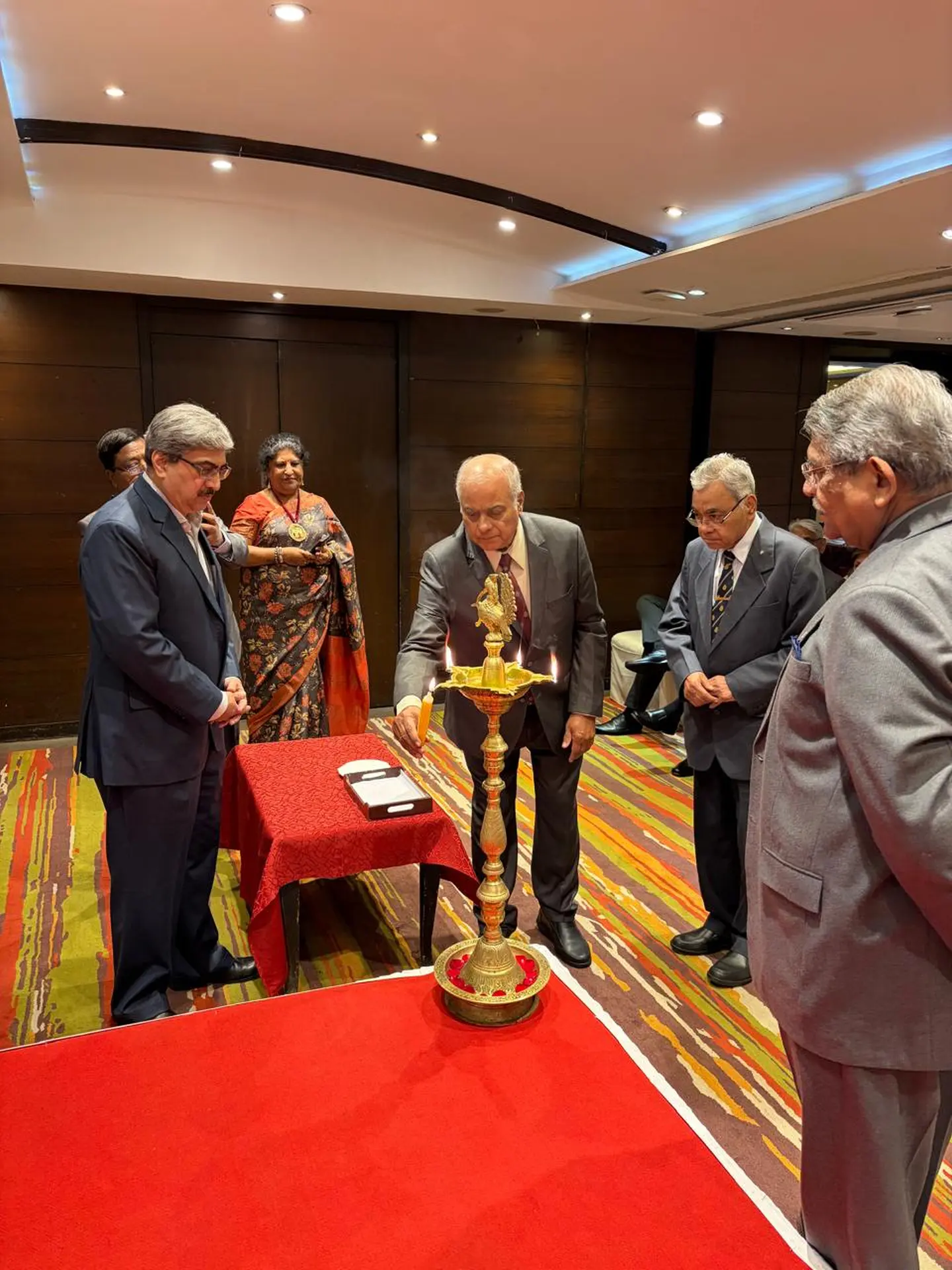
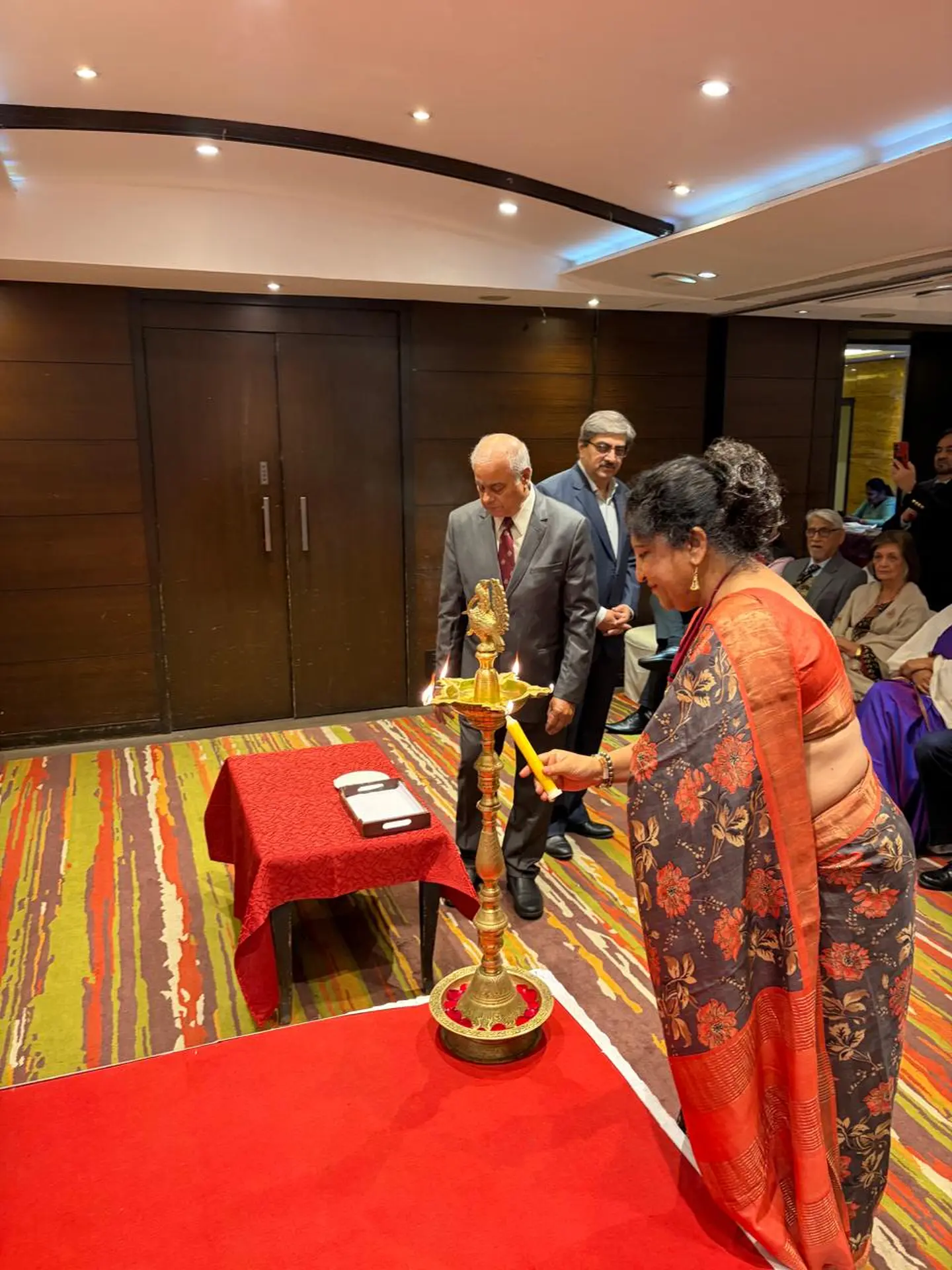
The Memorial Lecture opened with lighting of the traditional lamp by the Chief Guest, along with Capt Anand Dixit, Cmde Ajay Chitnis SC, NM (Retd), Capt Rabi Mishra, and Ms Maithili Manakwad, which was followed by the singing of the National Anthem.
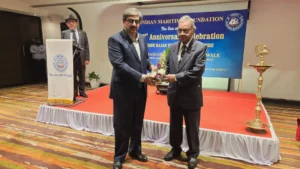
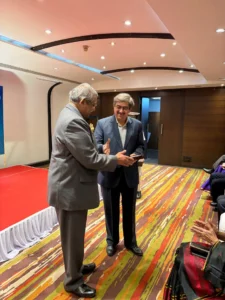
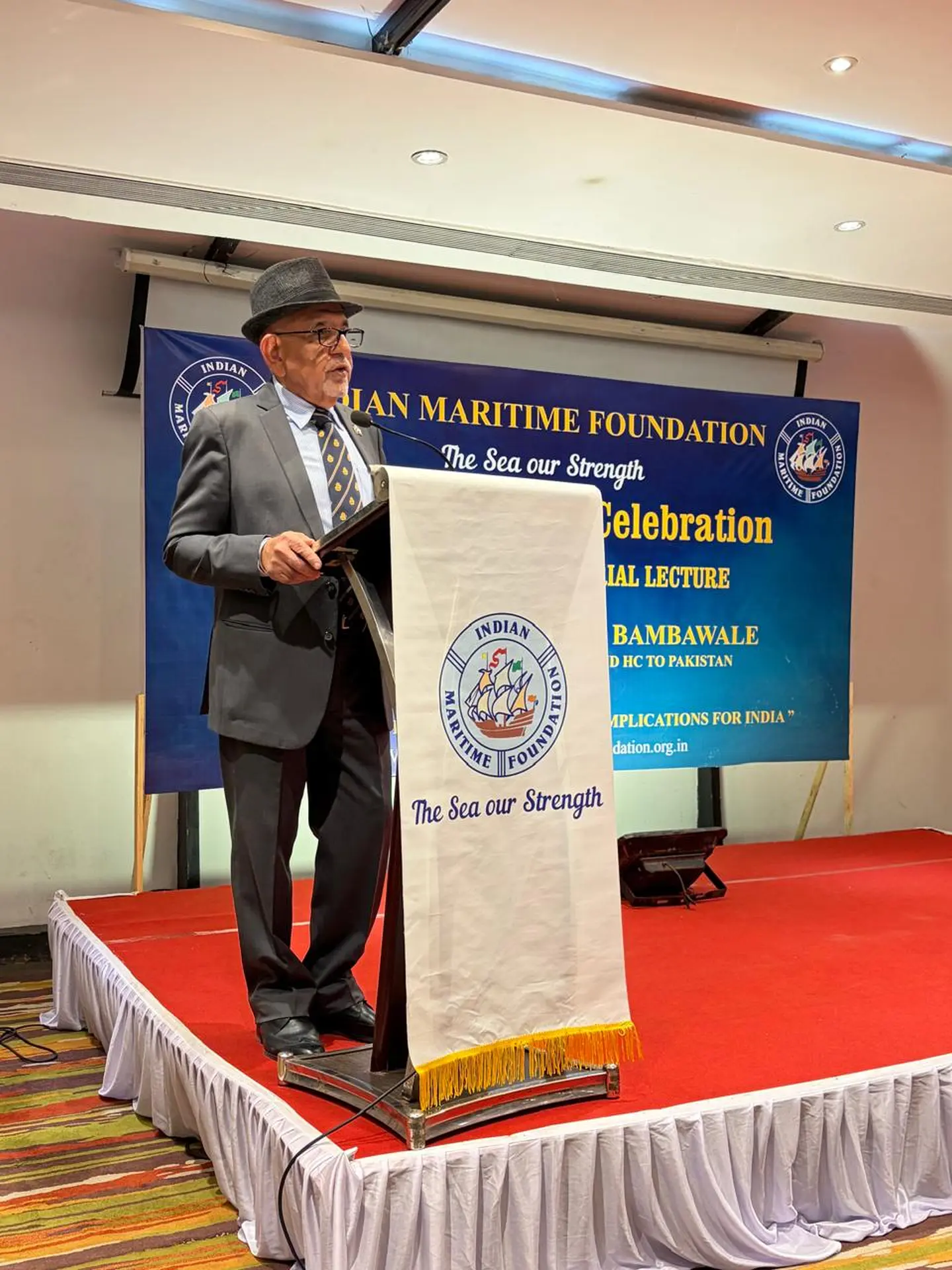
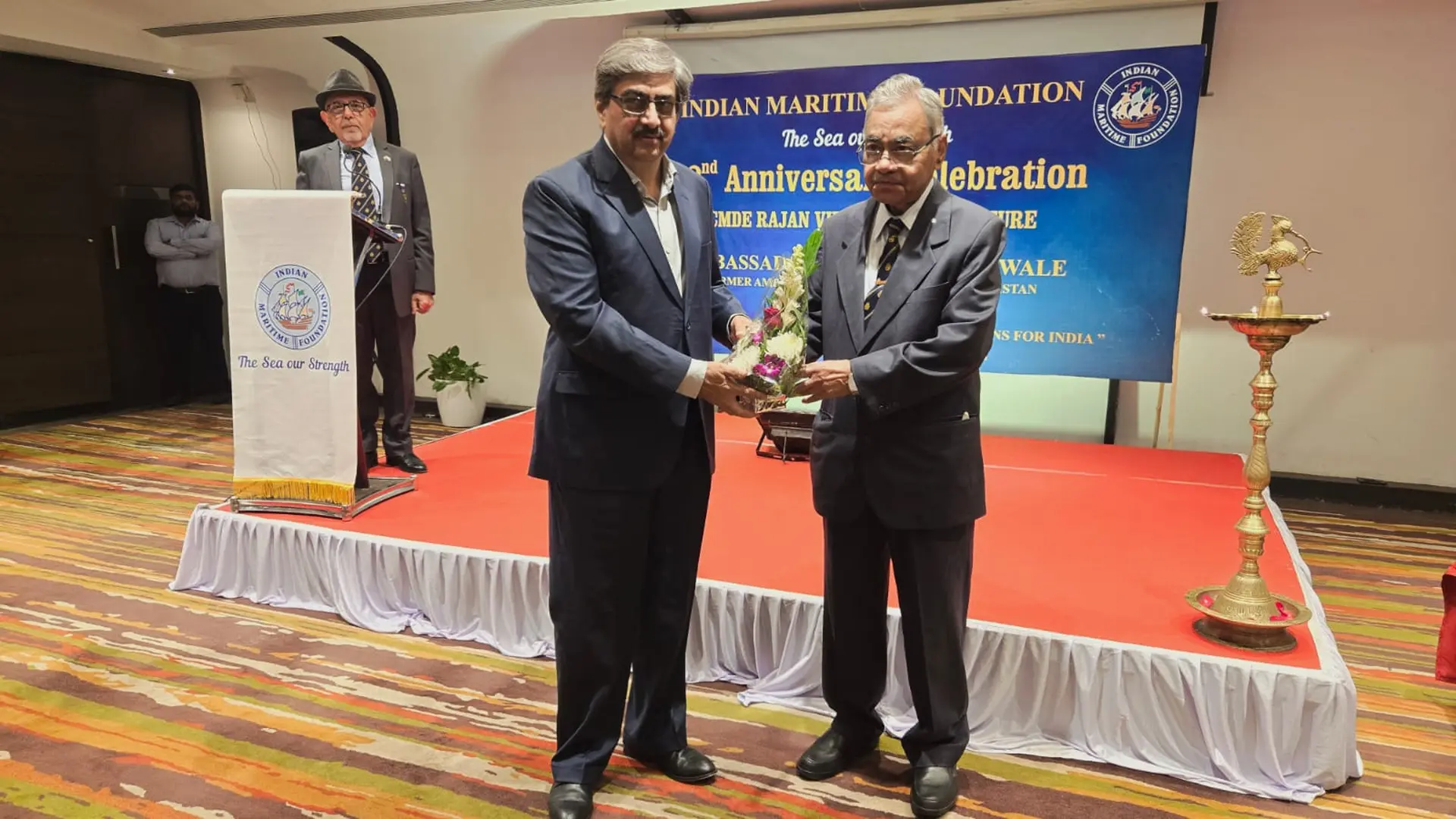
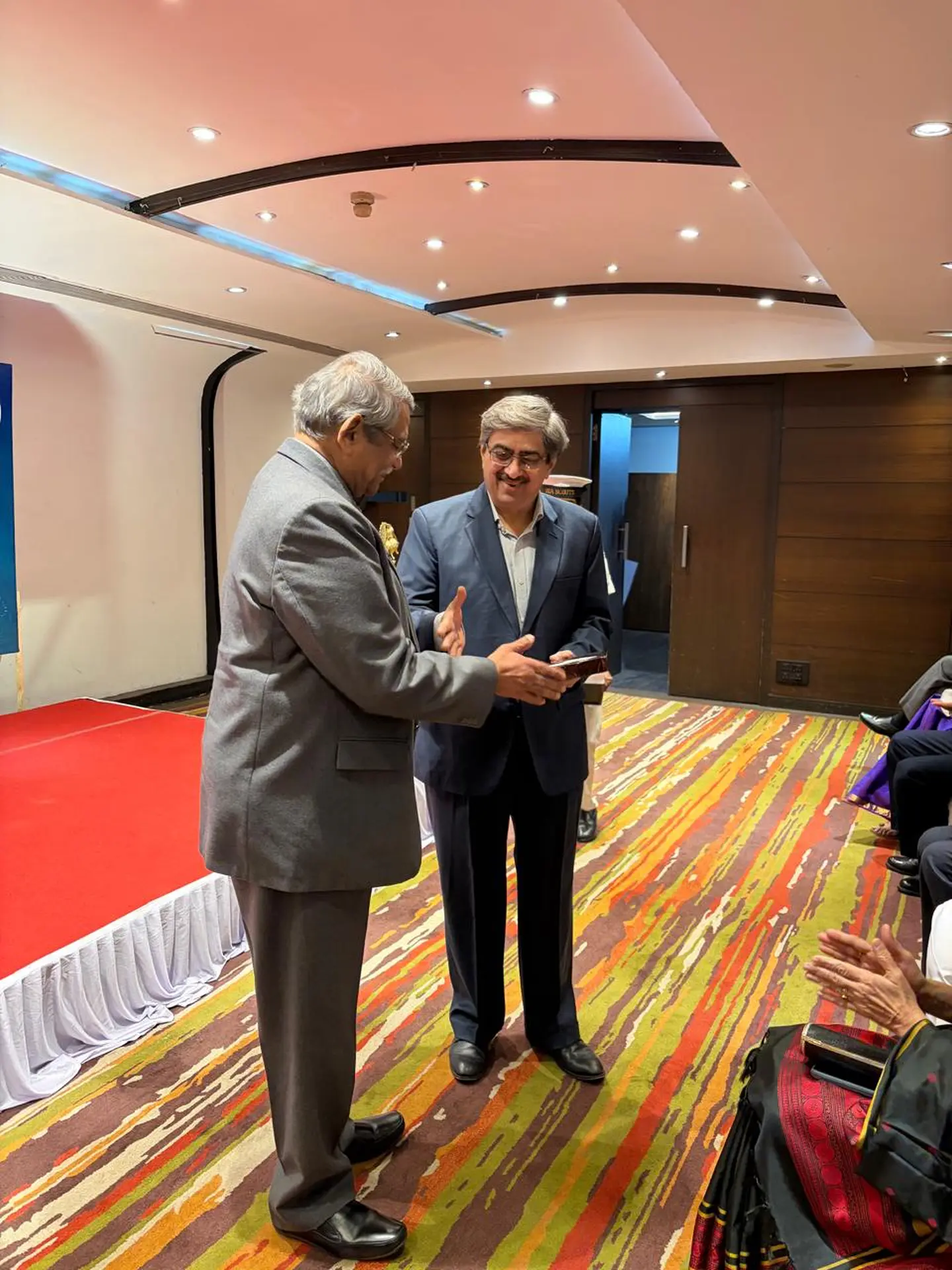
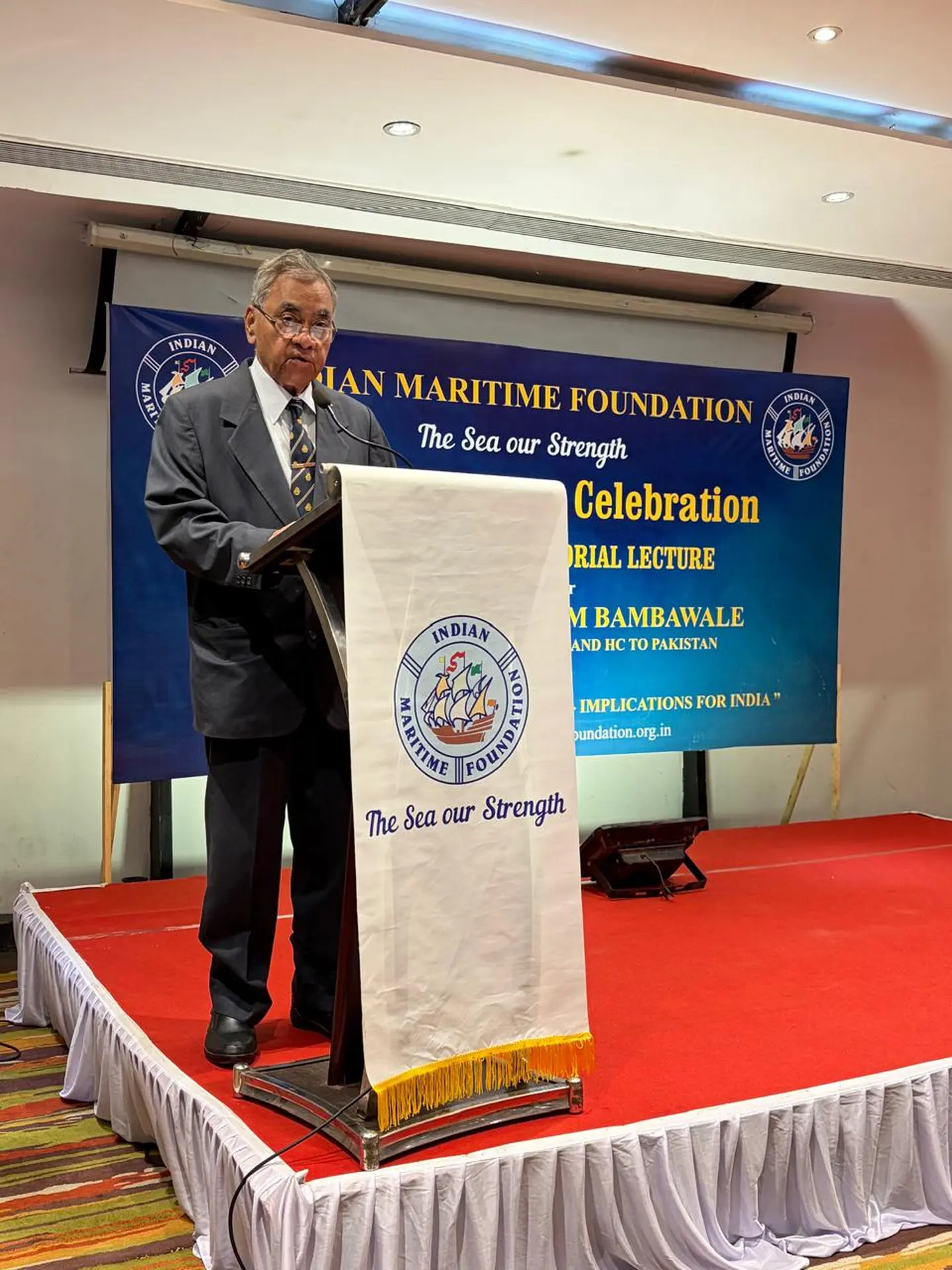
The Welcome Address was delivered by Capt Anand Dixit, President IMF, who also introduced the speaker and gave a brief overview of the theme of the talk. He also described the founding and role of the IMF, major activities conducted – in particular the Maritime Museum at Anantrao Pawar College of Engineering and Research – and acknowledged the efforts of the Council Members, who were all volunteers. The Chief Guest was thereafter presented a book memento, while he and Mrs Bambawale were also presented with bouquets.
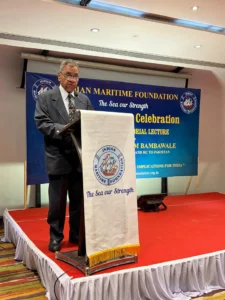
In addition to his diplomatic achievements, Ambassador Bambawale is a renowned and erudite speaker as well as a prolific author. True to his reputation, the Ambassador gave a riveting talk in which he described the changes that had taken place in the world of geopolitics in the past few decades. He said that the rules-based world order that had been set in place post World War II by the victors of the that war – primarily the United States – which had seen peace across the world for most of the past 80 years was now seriously under threat. Most surprisingly, the reason for this change was the United States itself. Under President Donald Trump, the US was seen to be acting unilaterally to impose its writ, despite many of its recent actions – such as the operation to ‘capture’ President Maduro of Venezuela and his wife and transport them to the US for being tried as a criminal – being in violation of international law. He also said that the US had withdrawn from a number of world bodies that it had itself founded post WWII, such as the WTO and the WHO (as well as 66 other organisations in the more recent past). President Trump was also threatening to take over Greenland, as well as carry out actions similar to Venezuela in Colombia and Mexico. However, he said that the US was not alone in these actions and other major powers like China and Russia were also putting their self-interests first largely guided by the principle that ‘might is right.’ He added that the recent actions by the U.S. may even have emboldened China to try and ‘take back’ Taiwan, in which case the U.S. may not even try and prevent it.
The Ambassador also spoke of the rise of China, and said that its ultimate ambition was to become the most powerful country in the world, surpassing the U.S. It was now the world leader in several technologies such as quantum computing, EVs and EV batteries and – despite the CHIPS Act enacted by the US, to prevent it from getting chip designing and manufacturing technology – was quite likely to develop cutting edge technologies such as EUV lithography and microchip fabrication indigenously. It had also shown that it could use many of its resources such as rare earths as leverage to counter any attempts by the U.S. to target its economy.
He said that consequently, India must also take serious note of these developments and must similarly endeavour to enhance its own economic and military power, which were essential to protect the nation’s national interests and would also give it the necessary leverage so that it could negotiate from a position of strength. He also described the relations between the US and India, which had earlier been on the rise, but had now taken a downturn, largely again due to the actions of President Trump, especially in imposing 50% tariffs on India. However, he felt that in the long term, India’s interests were more aligned with those of the U.S. and that in the future, it was likely that the U.S. and India would necessarily have to form a strong strategic partnership to counterbalance the inexorable rise to power of China. He brought out that as per the IMF, India’s GDP in PPP terms was presently the third largest in the world (after China and the U.S.) but needed to grow at an even greater rate than the current 7%, if it wished to get closer to the top two economies. In particular, the manufacturing sector needed to grow much faster. He said that the next 10 years were crucial in assessing whether India’s actual growth matched its expectations.
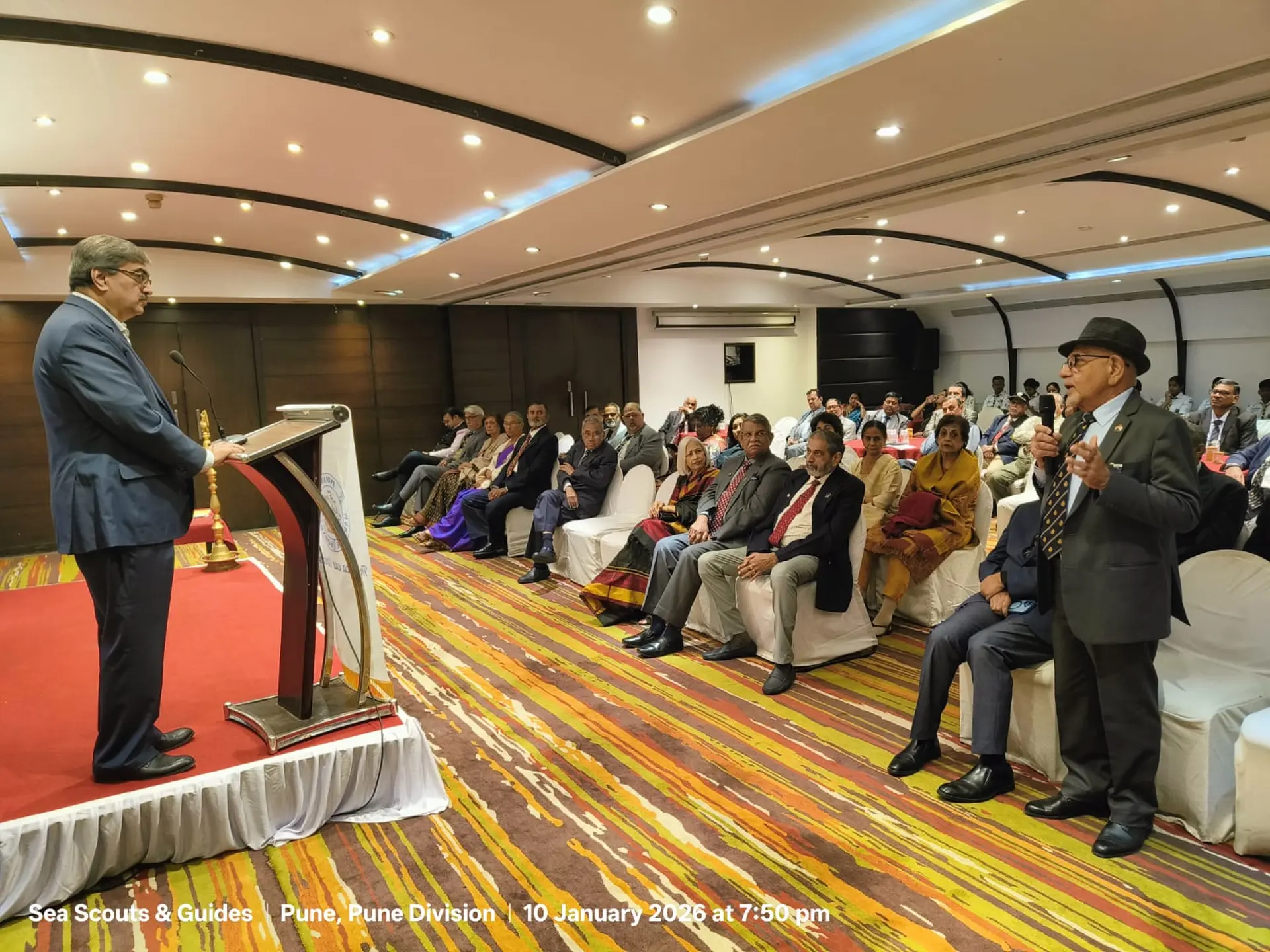
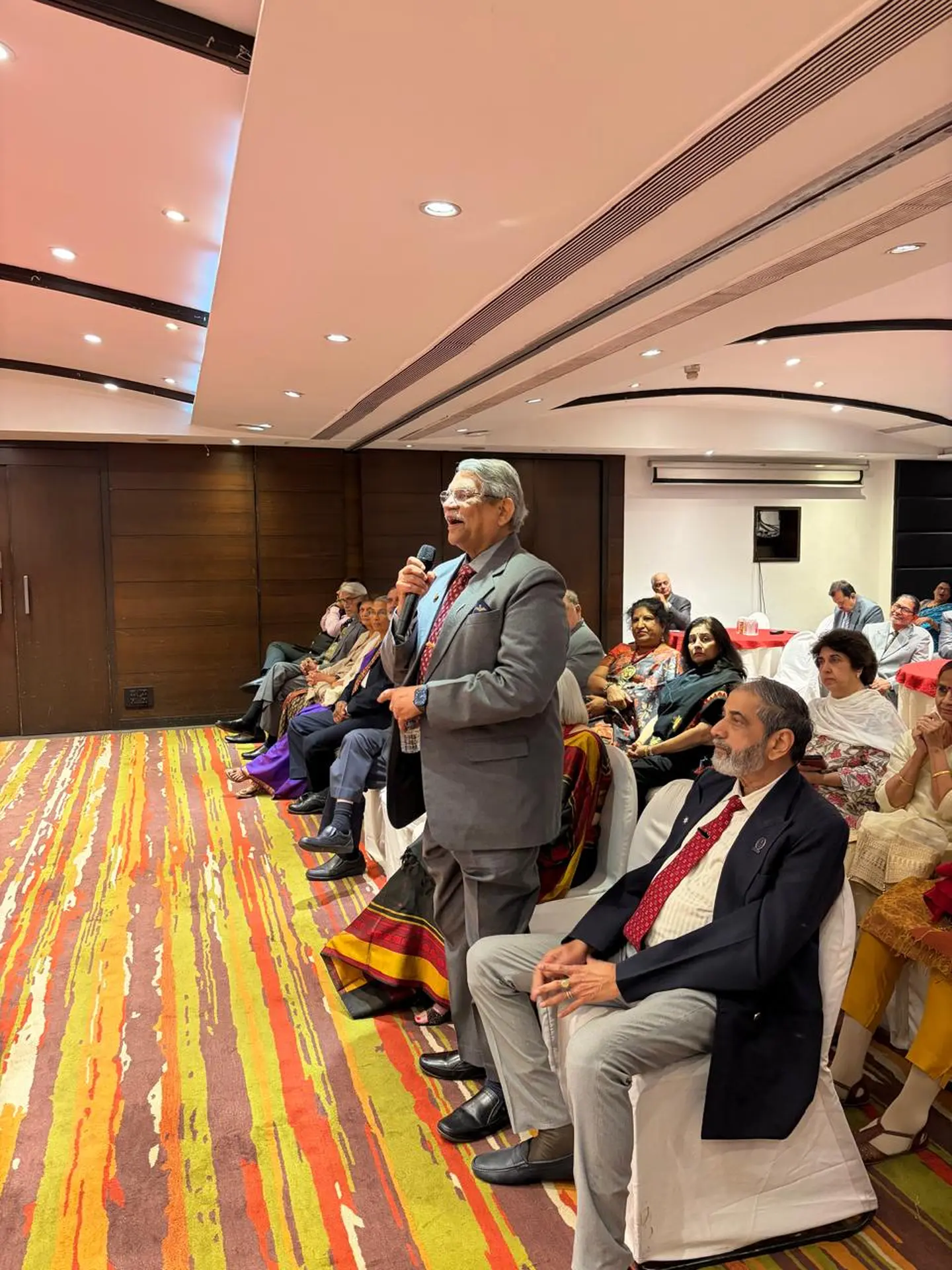
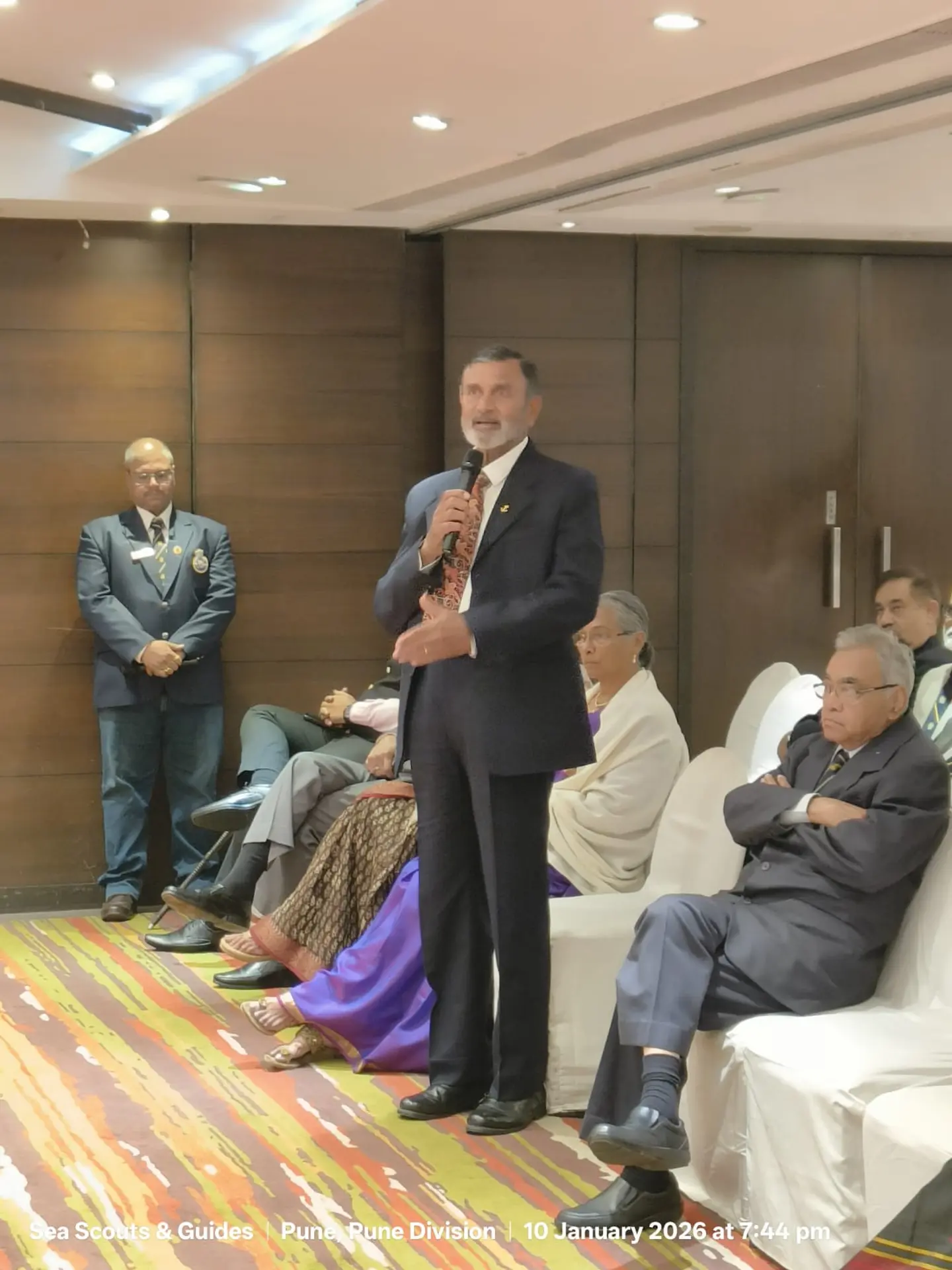
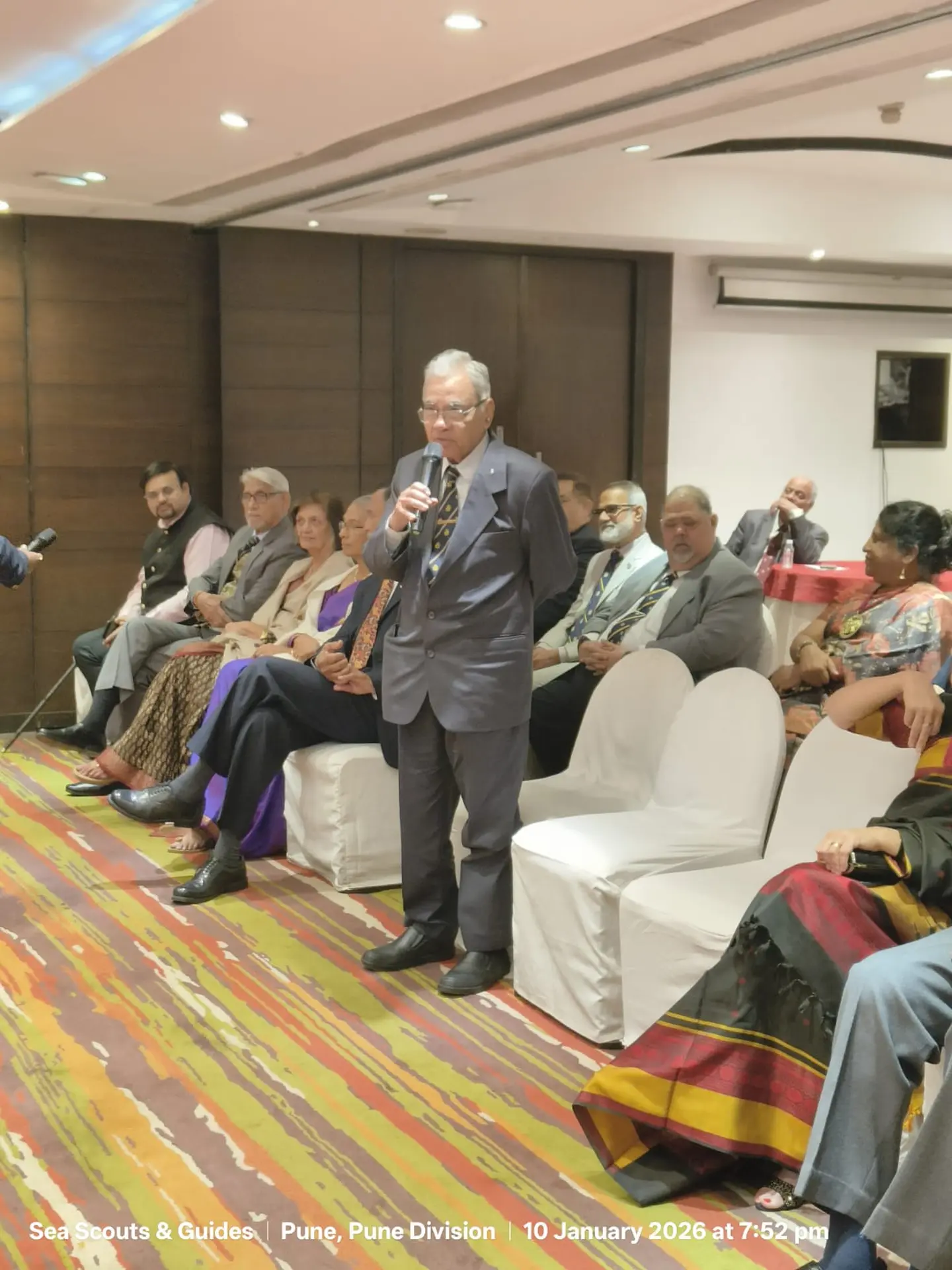
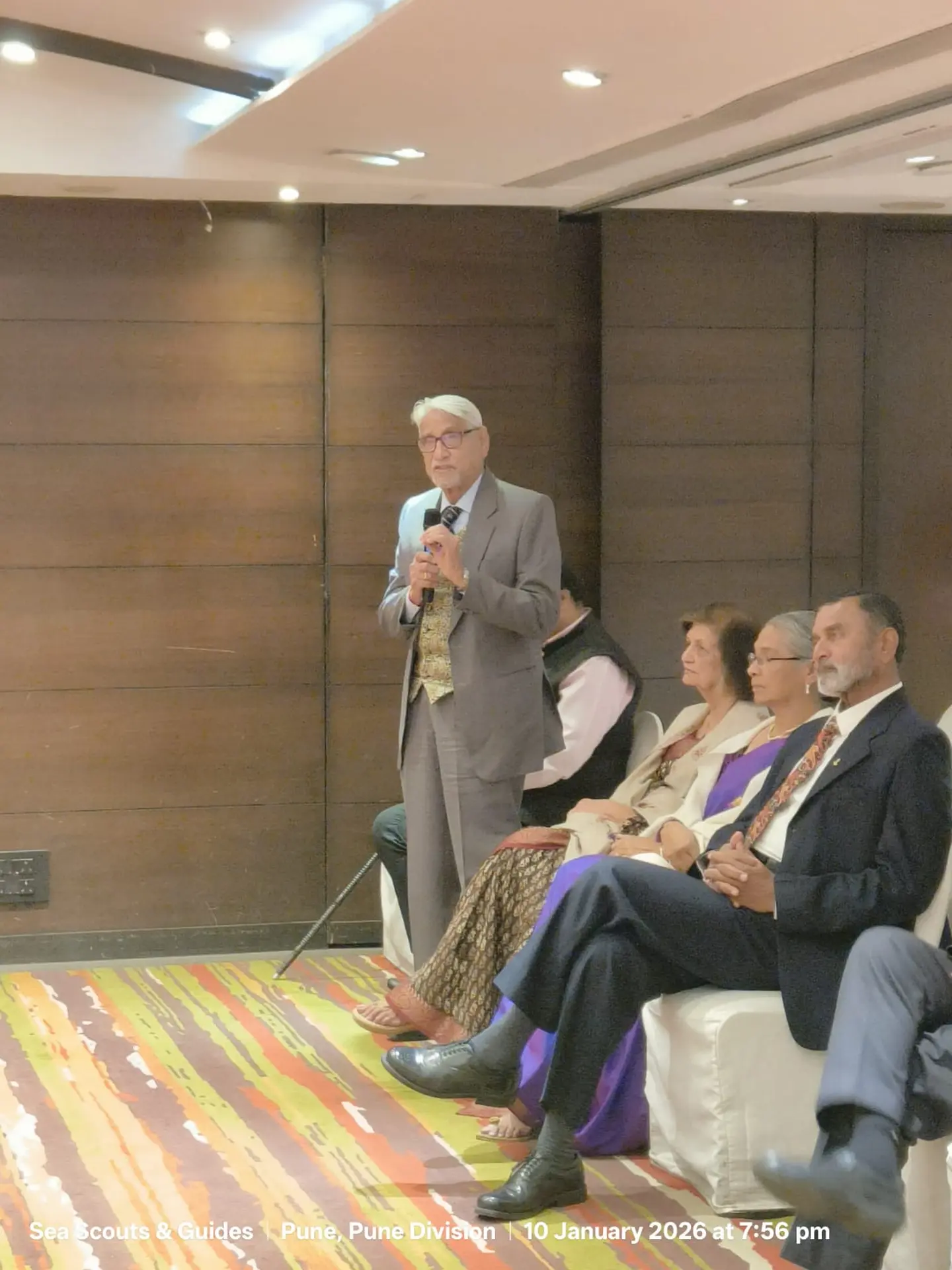
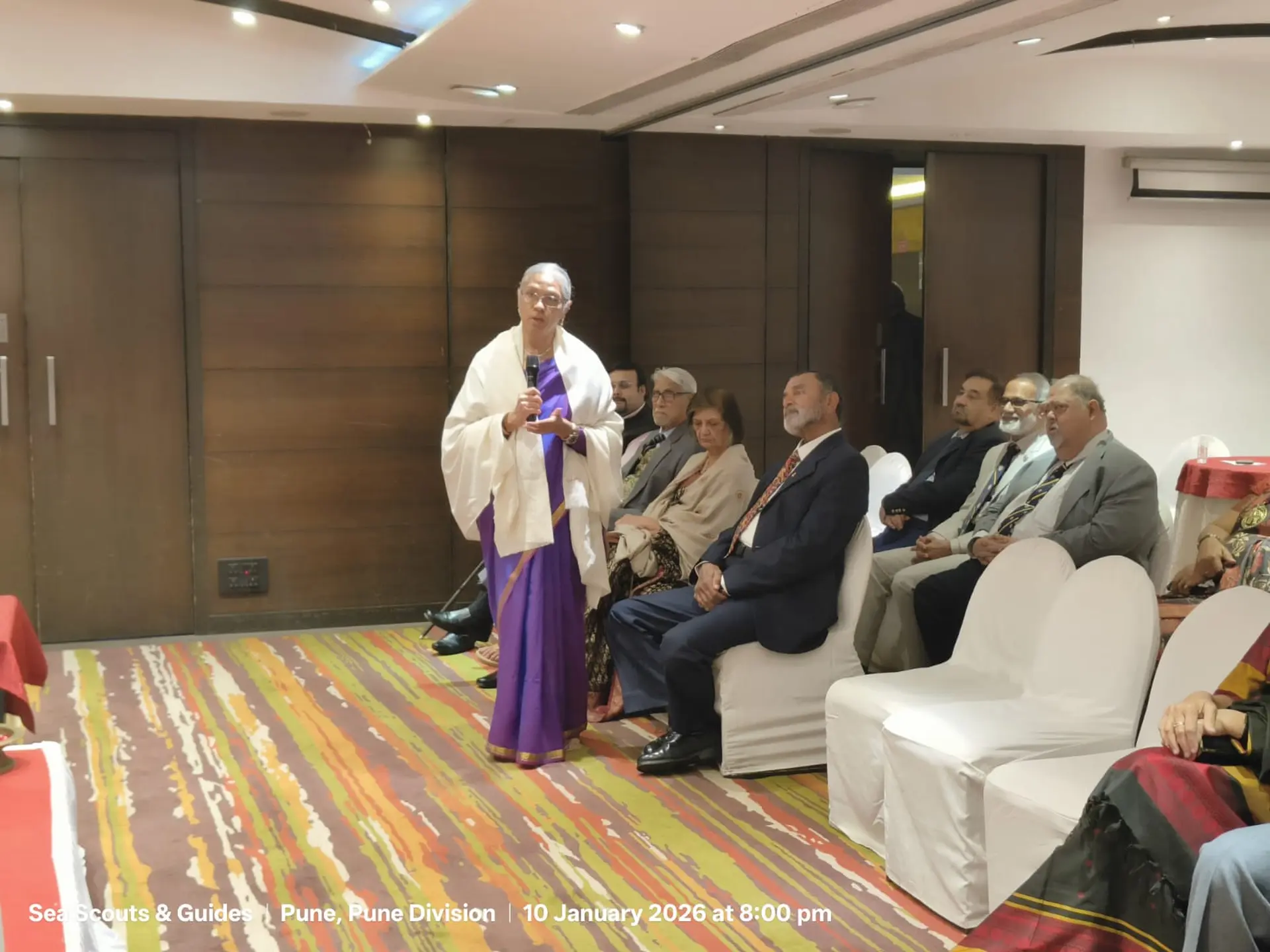
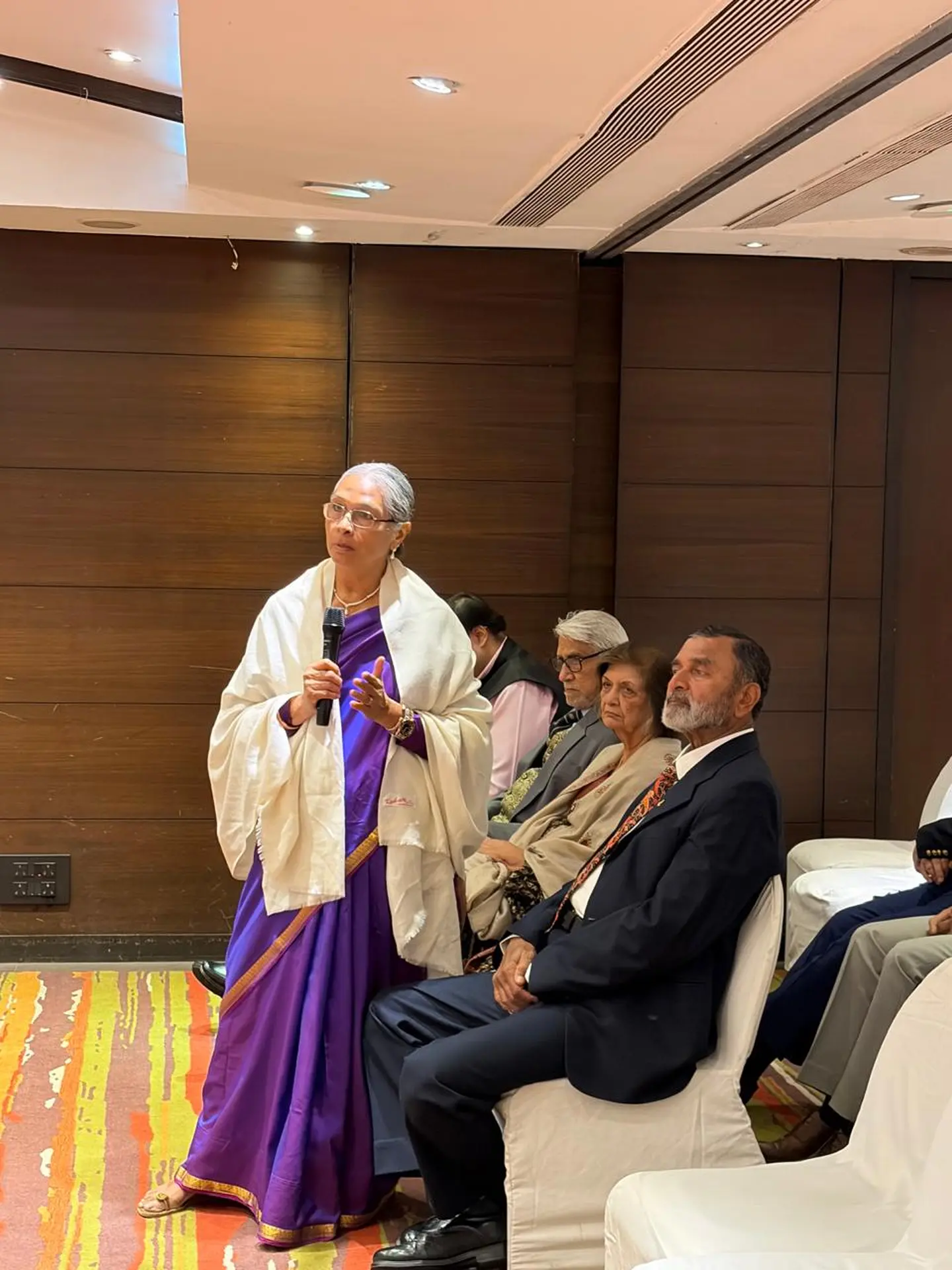
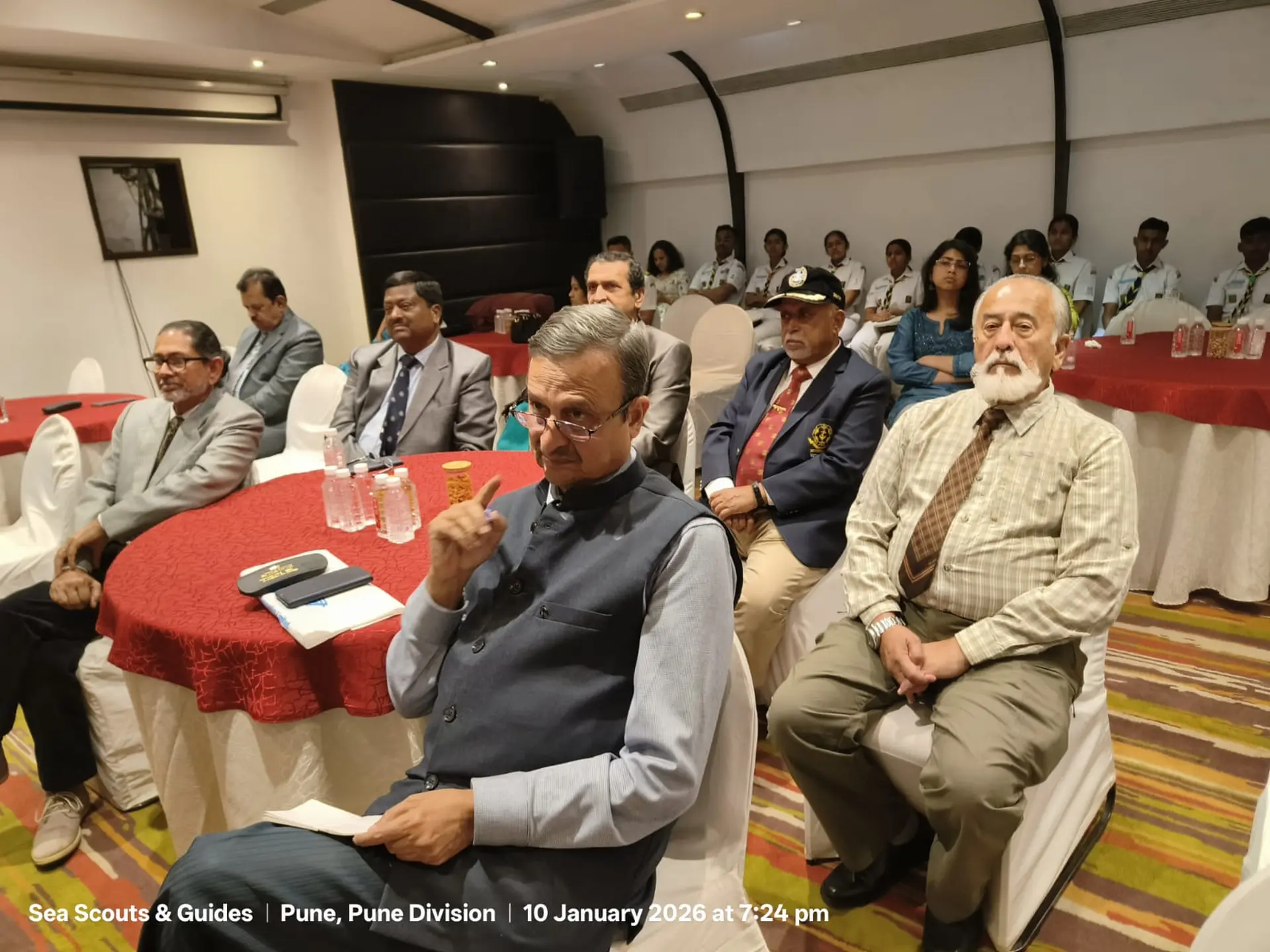
Following the lecture, the Ambassador also fielded a number of pertinent and interesting questions asked by members of the audience – both old and young – and gave his free and frank opinion. Overall, the depth of knowledge and insightful understanding of geopolitics and international affairs by the Ambassador was evident during his talk, which was extremely well received by the audience.
The MC for the event was Cmde PK Malhotra, while Capt Mukund Yeolekar delivered the Vote of Thanks.
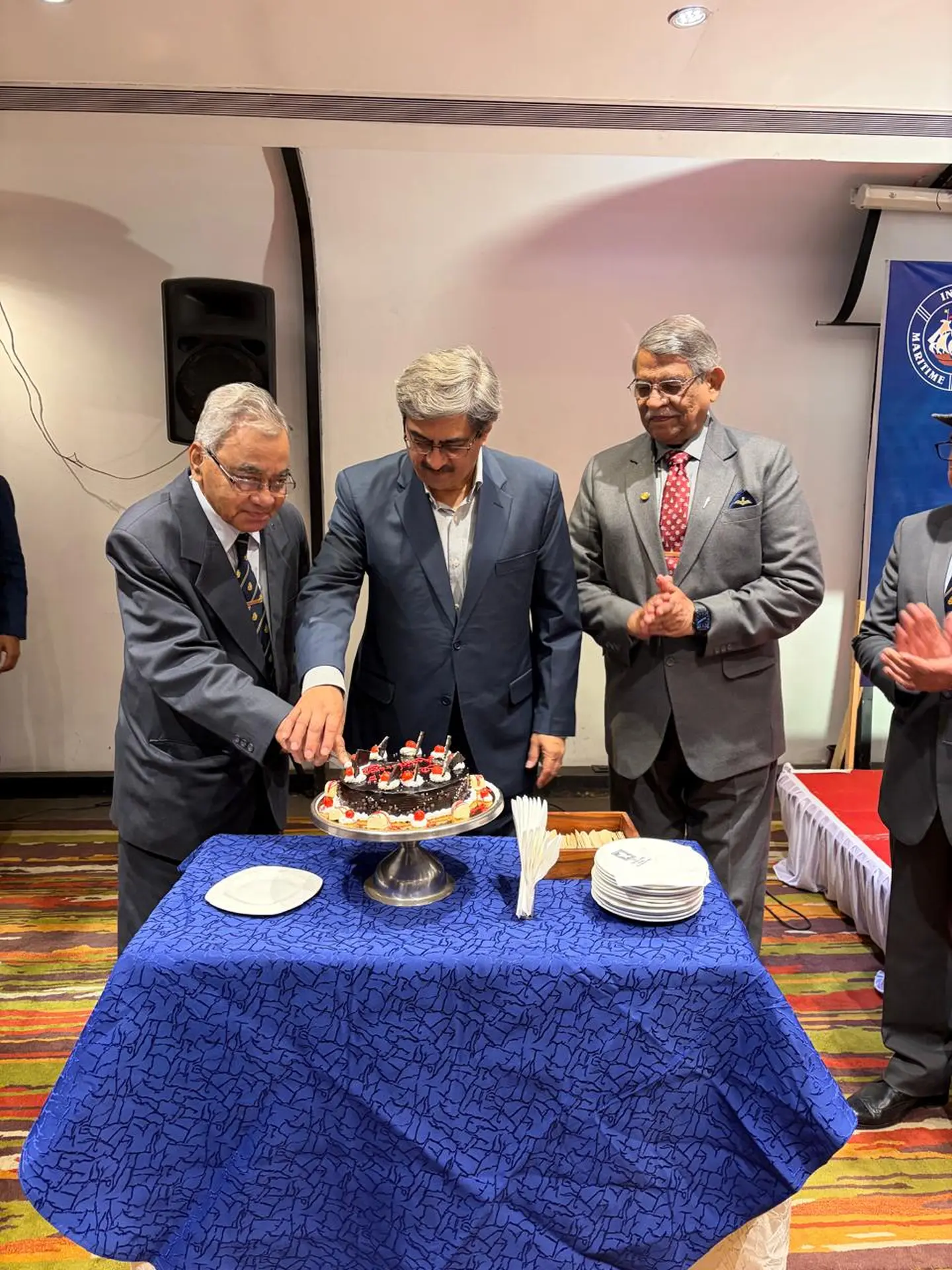
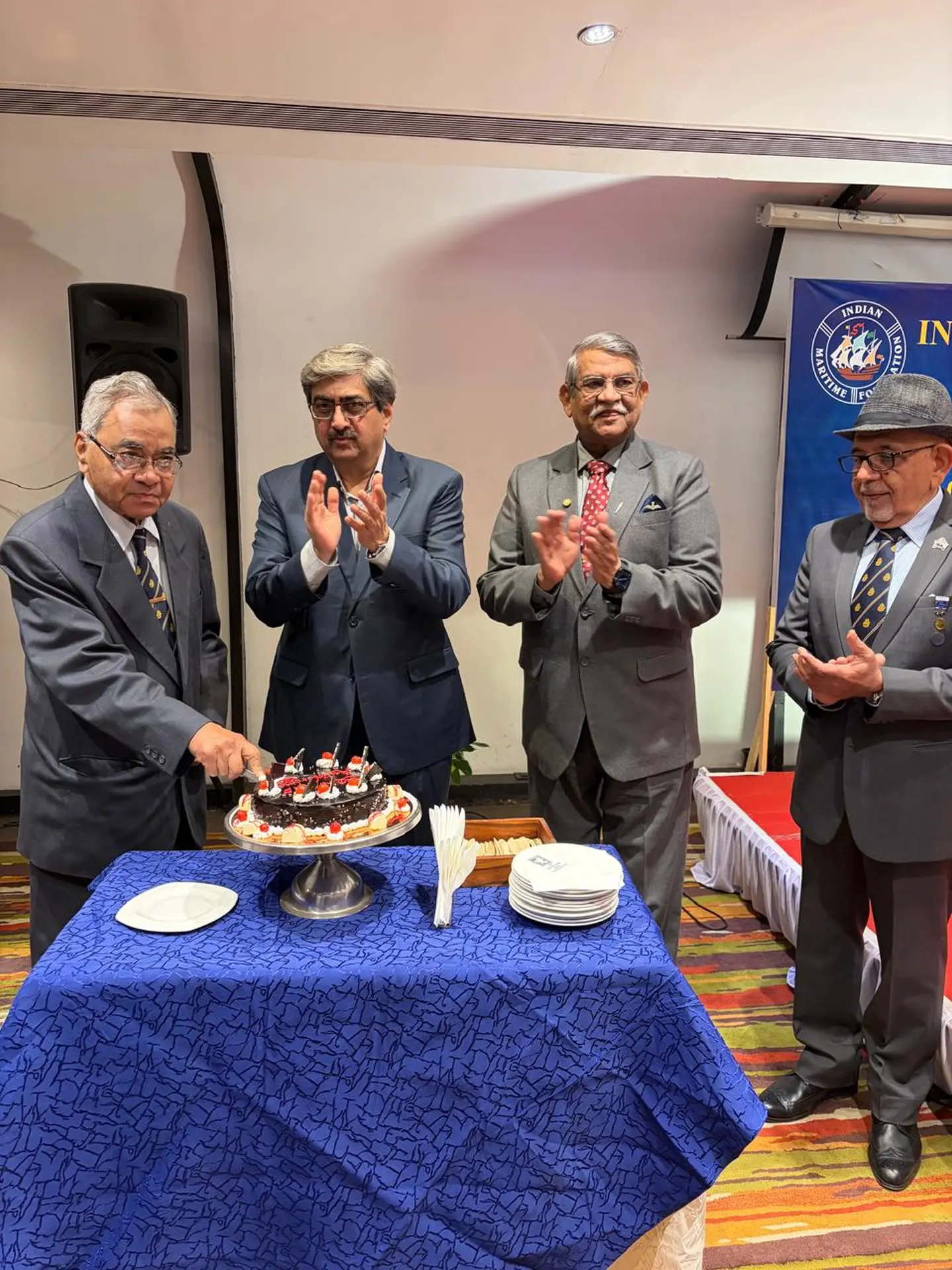
The talk was followed by the traditional cutting of the IMF Anniversary cake by the Chief Guest, accompanied by Capt Dixit, Cmde Chitnis and Cmde Malhotra.
The attendees then proceeded for cocktails and dinner.
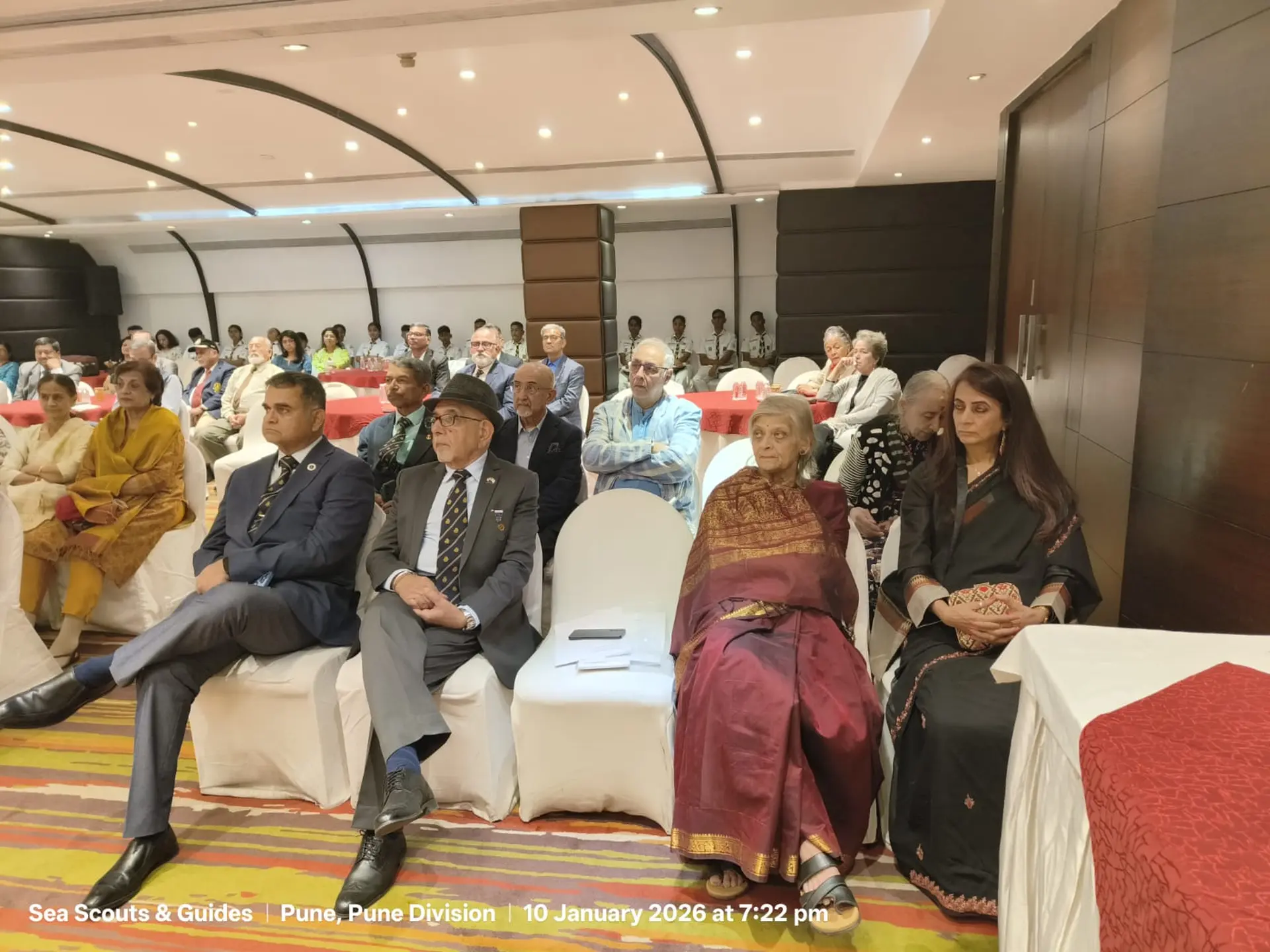
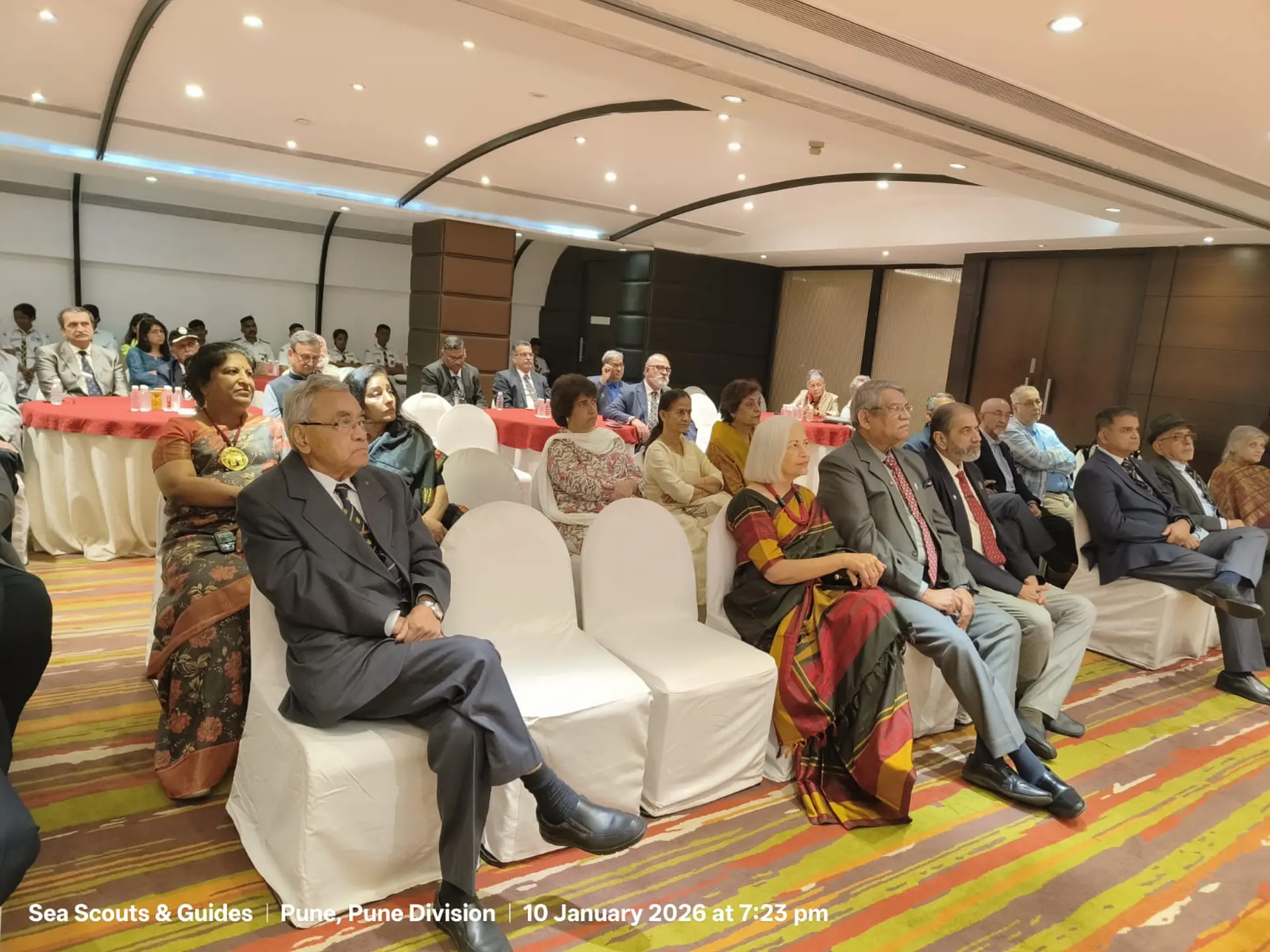
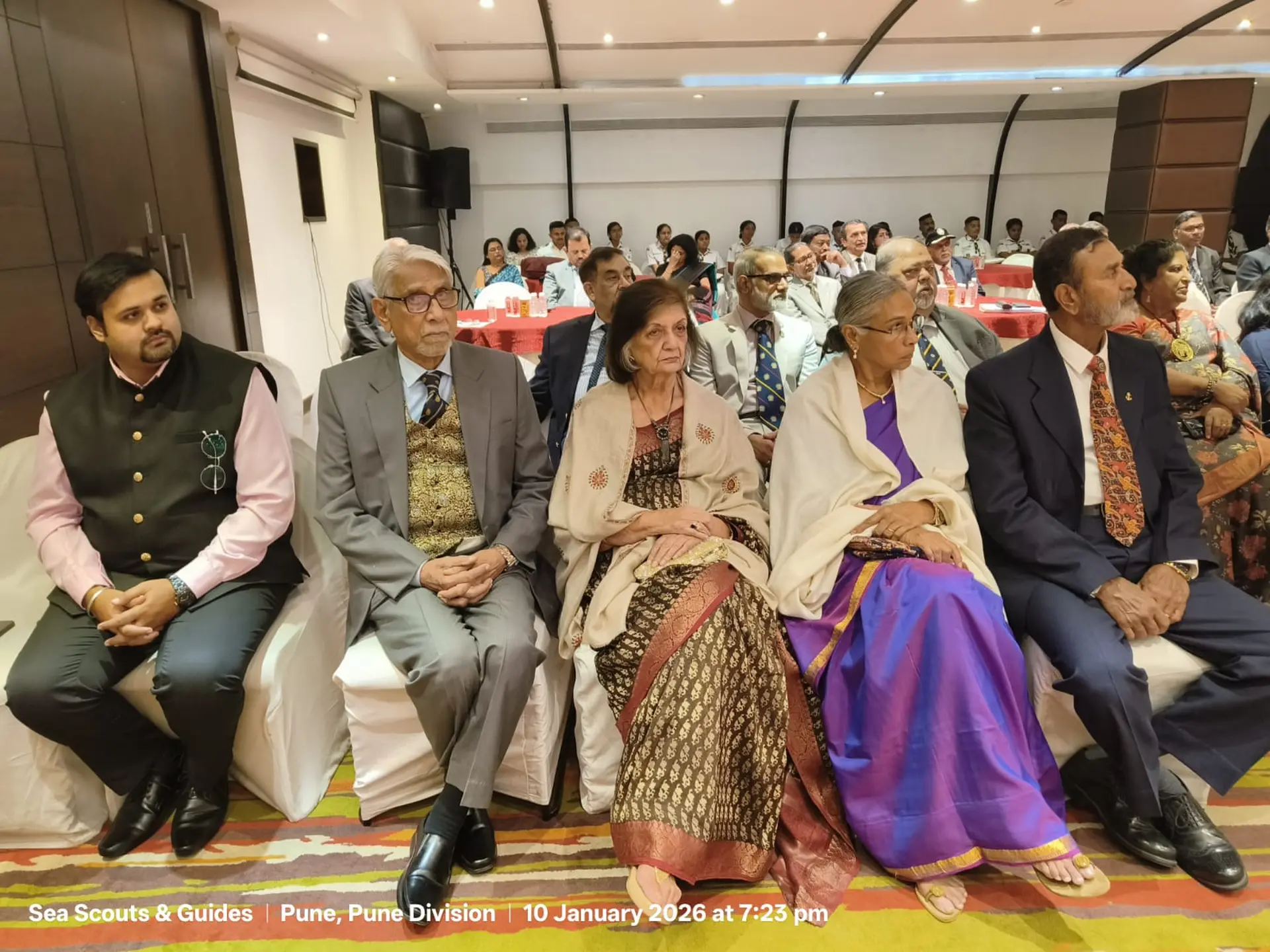
The event saw good participation, with several senior dignitaries in the audience. In addition to IMF Members, members of the Navy Foundation Pune Chapter, Centre for Advanced Strategic Studies, Company of Master Mariners of India and various maritime institutes as well as Mrs Naina Delvis, daughter of the late Cmde Vir, also graced the occasion.
Some photos of the event may be viewed in the gallery below.